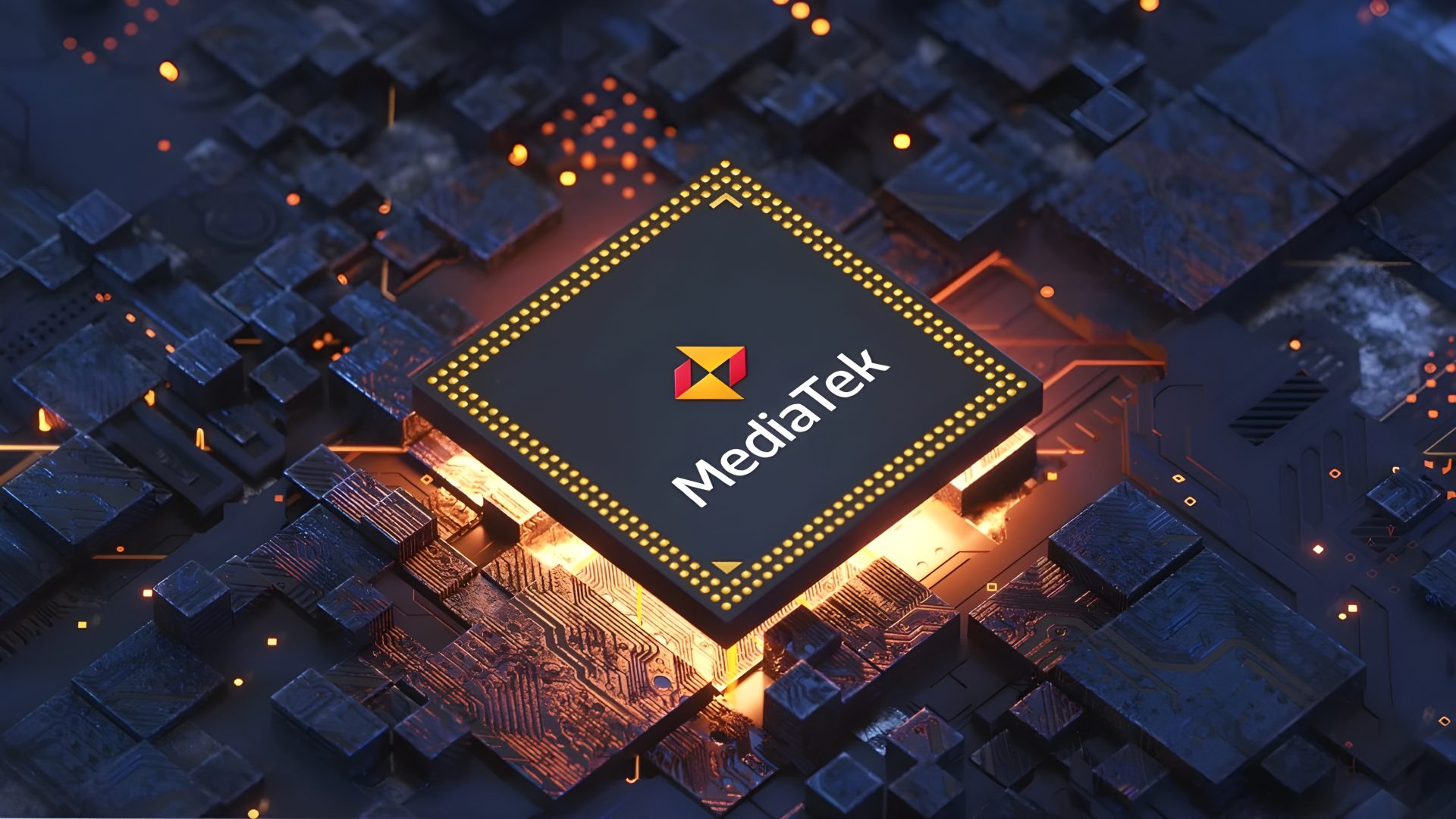
Oppo’s latest A6 series is a study in contrasts, particularly when it comes to the underlying hardware. The standard A6 and its 5G counterpart share nearly identical form factors and software, but diverge significantly under the hood. Where one relies on Qualcomm’s Snapdragon 685 for mid-range performance, the other leverages MediaTek’s Dimensity 6300 to deliver 5G connectivity while maintaining a similar power footprint. This dual-chip approach raises questions about optimization and efficiency—especially when paired with Oppo’s signature battery-centric design.
The A6 series continues Oppo’s trend of prioritizing endurance over aggressive miniaturization. Both phones feature a 7,000mAh battery, one of the largest in this segment, paired with 45W wired charging and reverse wireless charging capabilities. This combination suggests a focus on longevity, but it also means compromises elsewhere—such as overall thickness or weight—that may not appeal to users seeking a more compact device.
At first glance, the A6 series appears to target budget-conscious consumers who demand both 5G connectivity and long battery life. However, the choice of chipsets introduces nuanced trade-offs that warrant closer examination. For instance, the Snapdragon 685 is known for its balanced performance in everyday tasks, while the Dimensity 6300 offers more advanced 5G features but may not excel in sustained workloads like gaming or content creation.
Beyond hardware, the A6 series emphasizes durability with IP66/IP68/IP69 ratings, ensuring resistance to water, dust, and even high-pressure jets. This level of protection is rare in this price bracket and aligns with Oppo’s broader strategy of blending premium features into affordable devices.
On the display front, both phones feature a 6.75-inch IPS LCD with HD+ resolution and a 120Hz refresh rate. The panel supports peak brightness of 900 nits, which is impressive for a non-OLED screen, though it may not rival the vibrancy or contrast of premium AMOLEDs. The front-facing 8MP camera sits in a punch-hole cutout, a design choice that balances aesthetics with functionality.
The rear camera setup is straightforward but capable: a 50MP main sensor with an f/1.8 aperture and a 2MP monochrome unit for depth or low-light assistance. Video recording tops out at 1080p60 on the A6 5G, while the standard model is limited to 1080p30—a reflection of the Dimensity 6300’s additional processing power.
Key Specs
- Display
- 6.75-inch IPS LCD, HD+ resolution, 120Hz refresh rate, 900 nits peak brightness
- Chipset
- A6: Snapdragon 685 (4G)
- A6 5G: Dimensity 6300 (5G)
- Memory & Storage
- A6: 4GB/8GB LPDDR4X RAM, 128GB/256GB UFS 2.2 storage
- A6 5G: 4GB/8GB/12GB LPDDR4X RAM, 128GB/256GB UFS 2.2 storage
- Battery & Charging
- 7,000mAh battery, 45W wired charging, reverse wireless charging
- Cameras
- Rear: 50MP (f/1.8) main + 2MP monochrome
- Front: 8MP punch-hole camera
- Connectivity
- Wi-Fi 5, Bluetooth 5.0, A6 5G variant supports 5G
- Ports & Build
- IP66/IP68/IP69 water and dust resistance, no USB-C specification mentioned
- Pricing & Availability
- Not yet confirmed; expected to launch with ColorOS 15 based on Android 15
The A6 series’ specifications reflect a pragmatic approach to mid-range smartphone design. The 7,000mAh battery and 45W charging are standout features that address one of the biggest pain points for users—battery life. However, this comes at the cost of a slightly bulkier form factor, which may not suit those prioritizing slimness or portability.
The dual-chip strategy also introduces complexity. The Snapdragon 685 is a reliable choice for general use, offering solid performance in everyday tasks like browsing and social media. Meanwhile, the Dimensity 6300 brings 5G capabilities to the table but may not outperform the Snapdragon in areas like thermal efficiency or sustained workloads. Users will need to weigh these differences based on their specific needs—whether they prioritize connectivity or overall performance.
Durability is another strong suit, with IP66/IP68/IP69 ratings providing peace of mind for users who handle their devices roughly or expose them to harsh environments. This level of protection is often reserved for more premium tiers, making it a standout feature in this segment.
The 120Hz display is another highlight, offering smoother scrolling and animations without the premium price tag associated with OLED screens. However, users accustomed to higher refresh rates or HDR may find it slightly underwhelming compared to flagship offerings.
On the downside, the camera setup, while functional, lacks advanced features like optical image stabilization (OIS) or periscope lenses, which are becoming more common even in mid-range devices. The 50MP main sensor is capable but may struggle in low-light conditions without software enhancements.
Connectivity options, including Wi-Fi 5 and Bluetooth 5.0, are standard for this class of device. The A6 5G variant’s support for 5G networks is a significant selling point, especially as mobile data demands continue to grow. However, the absence of USB-C specifications in the build details leaves some questions about future-proofing, though it’s likely included given Oppo’s past practices.
Color options differ between the two variants: the standard A6 comes in Aurora Gold and Sapphire Blue, while the 5G model adds Sakura Pink to its lineup. This choice of colors reflects Oppo’s design language, which often leans toward vibrant hues that appeal to younger demographics.
Pricing remains a mystery for now, but given the feature set, it will likely position itself at the higher end of the budget segment—perhaps competing with devices like the Redmi Note series or Realme Narzo models. If Oppo follows its usual launch pattern, we can expect announcements in early 2026, possibly coinciding with ColorOS 15’s rollout.
In summary, the A6 series is a mixed bag of strengths and compromises. Its battery life and durability are undeniable advantages, while the dual-chip approach adds layers of complexity for users to navigate. Whether it strikes the right balance between cost and features remains to be seen, but it’s certainly worth watching as Oppo continues to refine its mid-range strategy.