Obsidian’s 2025 release slate delivered a mixed but instructive year: while Grounded 2* became an unexpected commercial and critical standout, the studio’s two flagship RPGs—Avowed and The Outer Worlds 2—missed Microsoft’s internal projections. The disparity has forced a reassessment of scope, budgets, and development timelines, with the studio now advocating for shorter, more focused cycles.
For a developer that thrives on ambitious storytelling, the results are a stark reminder of shifting industry realities. Avowed, a seven-year labor of love originally conceived as a hybrid of Destiny and The Elder Scrolls, was scaled back after early concerns about feasibility. The Outer Worlds 2, meanwhile, expanded on a proven formula but failed to replicate its predecessor’s commercial momentum.
What went wrong? The answer lies in execution, not vision. Obsidian’s CEO has acknowledged that while neither title was a catastrophic failure, they served as a wake-up call. The studio is now questioning whether every feature—down to the granularity of inventory systems—justifies the time and resources invested.
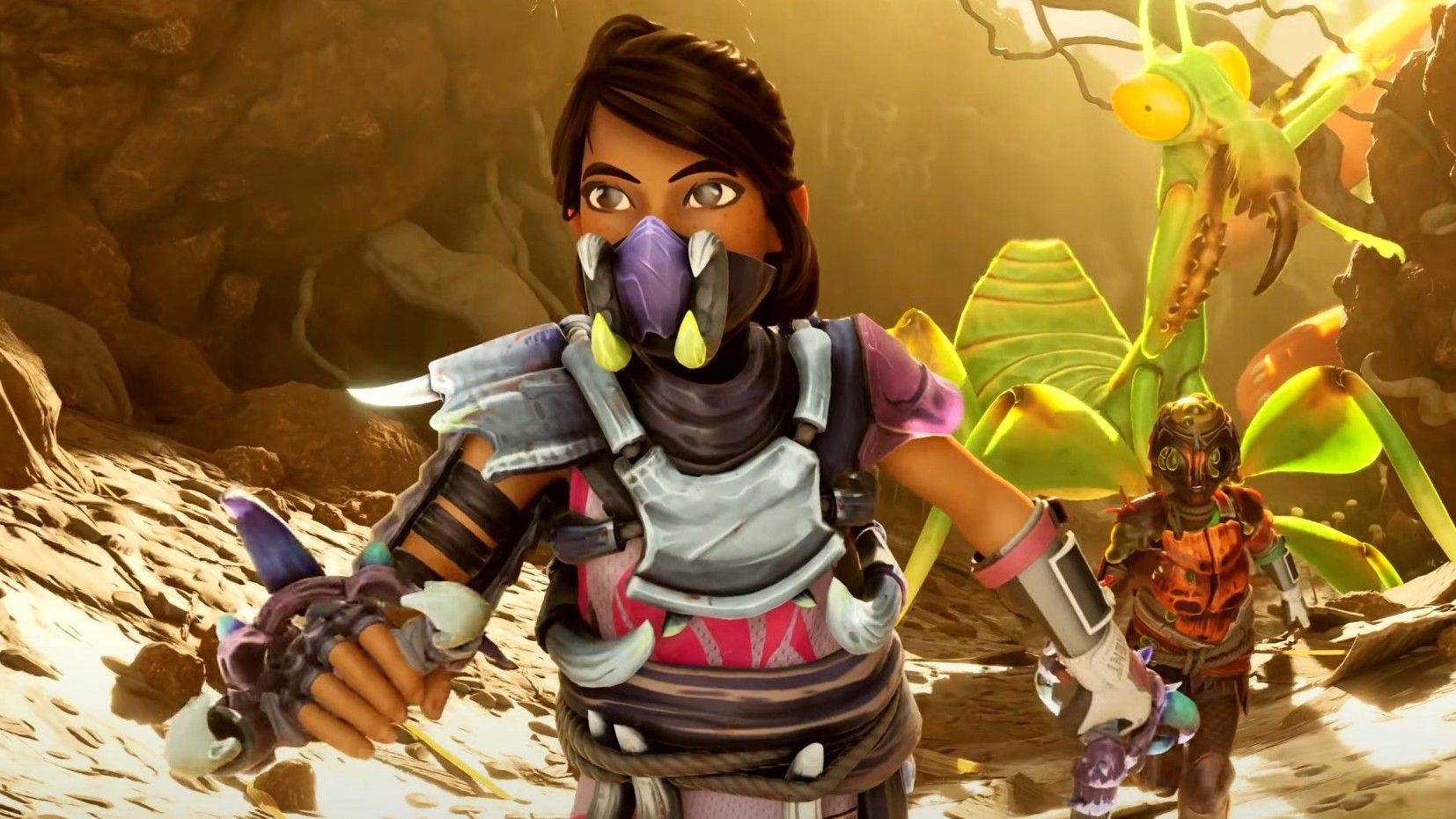
Yet the silver lining is clear: Grounded 2, a co-developed survival crafting title with Eidos Montreal, proved that Obsidian can still deliver hits when focusing on refined mechanics and player-driven progression. Its success suggests a shift toward more iterative, player-centric design—without sacrificing the studio’s signature depth.
What’s next? Obsidian isn’t abandoning its Pillars of Eternity universe. Future projects will continue expanding Avowed’s world, while The Outer Worlds 2 and Grounded 2 will receive updates. However, a third Outer Worlds* game remains off the table for now, with the studio prioritizing polish over sprawl.
The takeaway? Obsidian is recalibrating without retreating. After years of blockbuster ambitions, the studio is learning that success in 2026 may require less spectacle—and more precision.