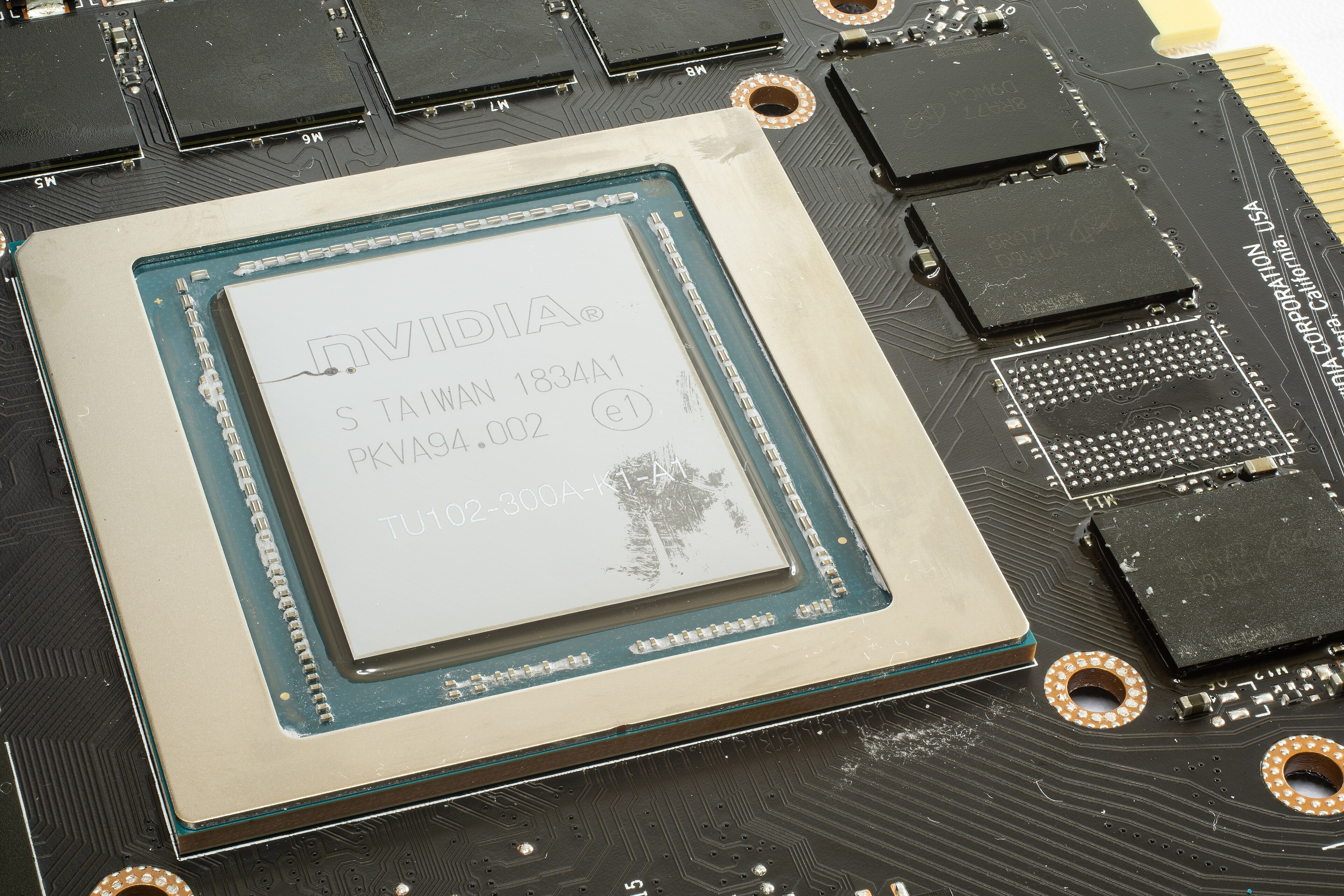
In the ever-evolving landscape of PC hardware, one trend stands out sharply: Nvidia's near-monopoly in the discrete graphics card market. As of the fourth quarter of 2025, Nvidia commands over 90% of the market share, leaving AMD and Intel trailing far behind.
This dominance is not a recent development but a steady climb that has left competitors scrambling to catch up. The shift away from high-end GPUs by AMD, in particular, has had a significant impact on its market presence. Meanwhile, Intel's footprint in the discrete GPU sector remains minimal, with virtually no presence noted in recent data.
The rise of Nvidia's dominance is further highlighted by the decline in overall discrete GPU shipments. Despite a 36% year-over-year increase in add-in card sales, there was an 11.5% sequential drop in Q4 2025. This downturn is attributed to rising memory costs and tariffs, which have likely deterred consumers from investing in high-end graphics cards.
The percentage of desktop PCs equipped with discrete graphics cards has also declined, dropping to 55% from the previous quarter. This shift suggests that consumers are increasingly opting for integrated graphics solutions or simply not prioritizing discrete GPUs in their purchases.
Key Specs
- Market Share: Nvidia holds over 90% of the discrete GPU market, with AMD trailing at under 10%. Intel's presence is virtually non-existent.
- Shipment Trends: Add-in card shipments increased by 36% year-over-year but dropped 11.5% sequentially in Q4 2025 due to rising memory costs and tariffs.
- Desktop PC Adoption: Only 55% of desktop PCs now include discrete graphics cards, down from 67.3% in the previous quarter.
The data paints a clear picture: Nvidia is not just leading the market; it's setting the pace for an industry that seems to have left its competitors behind. This trend is further supported by Steam's hardware survey, which shows the Nvidia GeForce RTX 5070 capturing a significant portion of the gaming market.
AMD's strategy shift away from high-end GPUs has left it struggling to compete in this segment. While AMD has focused on mainstream markets, its absence from high-end GPU development and support has had a tangible impact on its market share. Intel, on the other hand, has largely been absent from the discrete GPU landscape, with no significant presence noted in recent reports.
For IT teams and consumers alike, this dominance raises important questions about operational costs and long-term sustainability. While Nvidia's market position is strong, the industry's reliance on a single player could pose risks if market conditions shift or new competitors emerge. For now, though, it's clear that Nvidia's world is one where others are just living in its shadow.
As we look ahead, the focus will be on how this dominance affects innovation and competition in the GPU market. Will AMD find a way to regain its footing? Or will Intel finally make a significant move? One thing is certain: Nvidia's grip on the market is tighter than ever, and the industry will need to adapt to this new reality.