Gaming PCs sit on shelves for weeks, waiting for components that refuse to arrive. Even Nvidia, with its vast resources, struggles to secure enough RAM to meet demand—but only because it chooses not to. The company is deliberately redirecting its energy toward AI data centers, where every constrained chip or watt of power translates into a guaranteed customer.
This isn’t just about securing parts; it’s about controlling the entire supply chain. Nvidia has positioned itself as the only firm capable of standing up an ‘AI factory’ from the ground up—handling everything from DRAM procurement to factory setup, all backed by a balance sheet strong enough to lock in suppliers before they even break ground. The result? A near-monopoly on AI infrastructure that leaves little room for competitors.
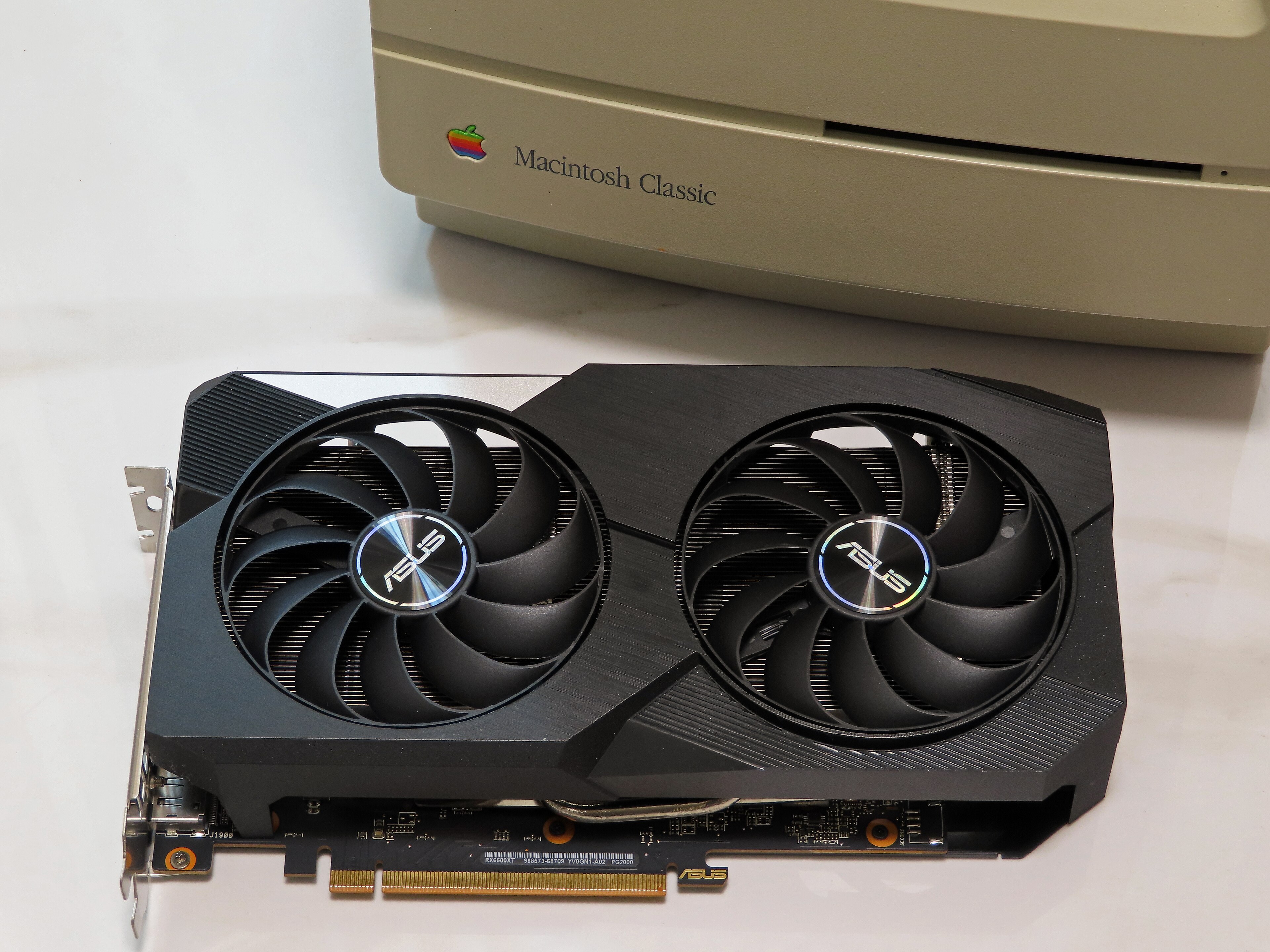
Yet while data center revenue soars past $130 billion, the consumer side of Nvidia’s business is quietly shrinking. The RTX 5000 series, once a cornerstone of gaming performance, now faces production cuts and delayed refreshes. Even workstations, a niche but profitable segment, are getting more attention than gaming PCs—despite Nvidia still commanding 94% of the discrete GPU market.
The irony? Gamers remain loyal to Nvidia, even as the company shifts focus. The RTX 5000’s dominance is undeniable, but its future is uncertain. With AMD and Intel barely clinging to single-digit market share, the question isn’t whether Nvidia will continue to lead—it’s whether it will ever prioritize consumers again.
For now, the company thrives in scarcity. Every delayed DRAM plant, every power-constrained data center, becomes an opportunity for Nvidia to lock in long-term contracts and expand its AI empire. The roadmap is clear: more factories, more AI, fewer graphics cards—unless demand shifts unexpectedly.
The next time you see a ‘sold out’ sign on a gaming GPU, remember: the real scarcity isn’t components. It’s choice.