NVIDIA’s latest workstation GPU for the Chinese market, the RTX 6000D, has been exposed in its first detailed teardown, revealing a striking departure from its more powerful sibling, the RTX PRO 6000 Blackwell. Unlike the full 128GB configuration of the PRO model—built with 32x 3GB GDDR7 chips—the 6000D omits four of those slots entirely, leaving just 28 chips in place. That results in a total of 84GB of GDDR7 memory, paired with a reduced 448-bit memory interface.
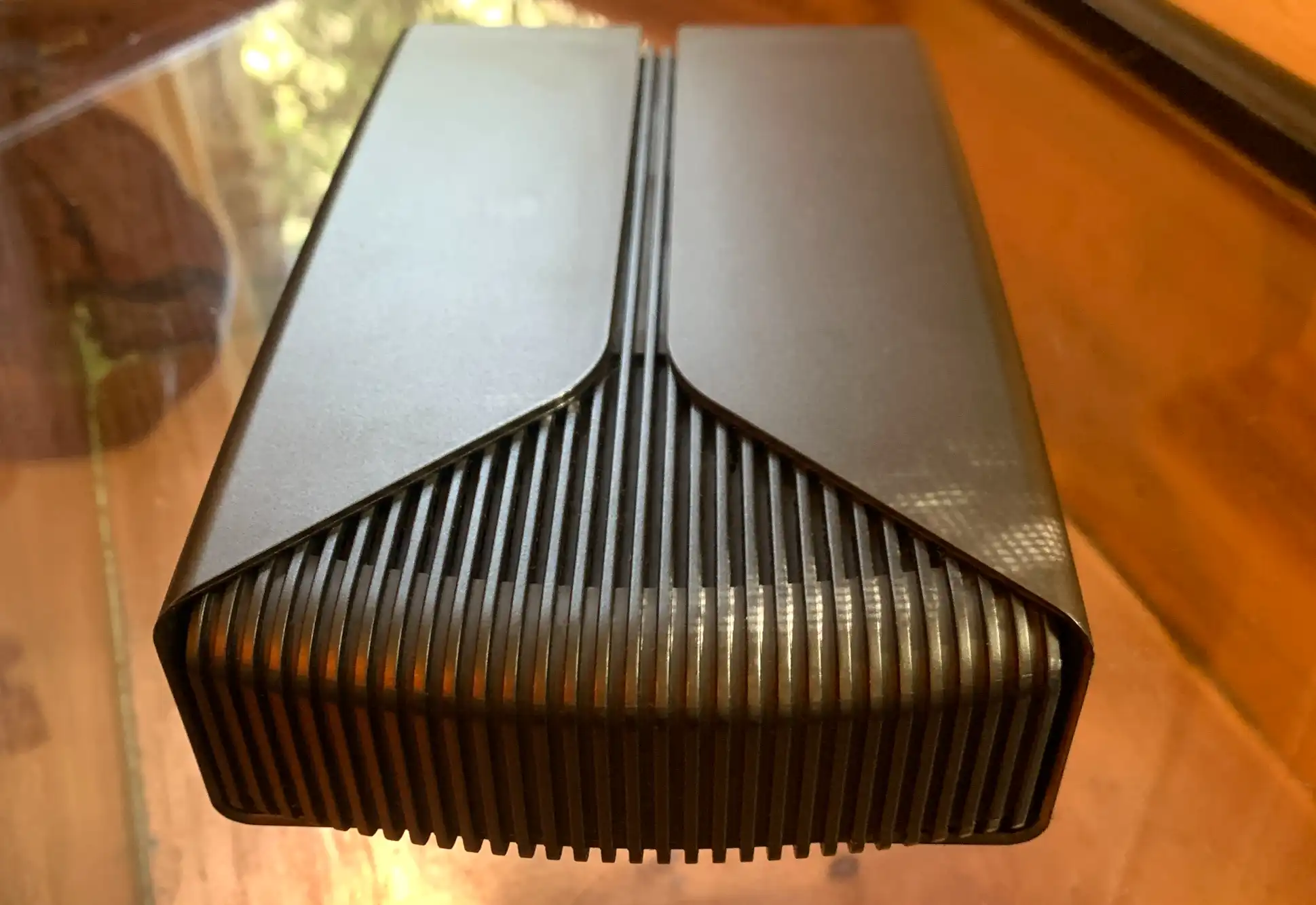
The changes don’t stop there. While the RTX PRO 6000 Blackwell boasts 24,064 shaders, the 6000D scales back to 19,968—a significant nerf that aligns with its positioning as a cost-optimized workstation solution. The card retains the same passive cooler as the server edition, though early testing shows it operating well below its 600W TDP, pulling only 419W under load in a custom water-cooled setup.
The Workstation GPU with a Memory Gap
At first glance, the 6000D’s memory layout might seem like an oversight, but it’s a deliberate choice. The four empty slots on the PCB suggest NVIDIA tailored this variant specifically for workloads where 84GB is sufficient—likely targeting professional applications like AI training, rendering, or high-end CAD where full 128GB isn’t always necessary. The narrower memory bus, however, could introduce bottlenecks in memory-intensive tasks compared to the 512-bit interface of the RTX PRO 6000.
The power draw discrepancy is also notable. While the RTX 5090 and RTX 4080 Super can surge well above 300W, the 6000D’s measured 419W under load suggests a more conservative thermal and power profile. This aligns with NVIDIA’s strategy for workstation GPUs, which often prioritize stability over raw performance in enterprise environments.

Who’s It For?
This GPU isn’t for gamers or enthusiasts—it’s squarely aimed at Chinese enterprises, research labs, and creative studios needing a high-end but not ultra-high-end solution. The 84GB configuration bridges the gap between mid-range workstation cards and the full-blown 128GB PRO models, offering a balance of performance and cost. For comparison, the RTX 4080 Super starts at $660, while the RTX 5090 commands a premium price, but the 6000D’s pricing hasn’t been confirmed.
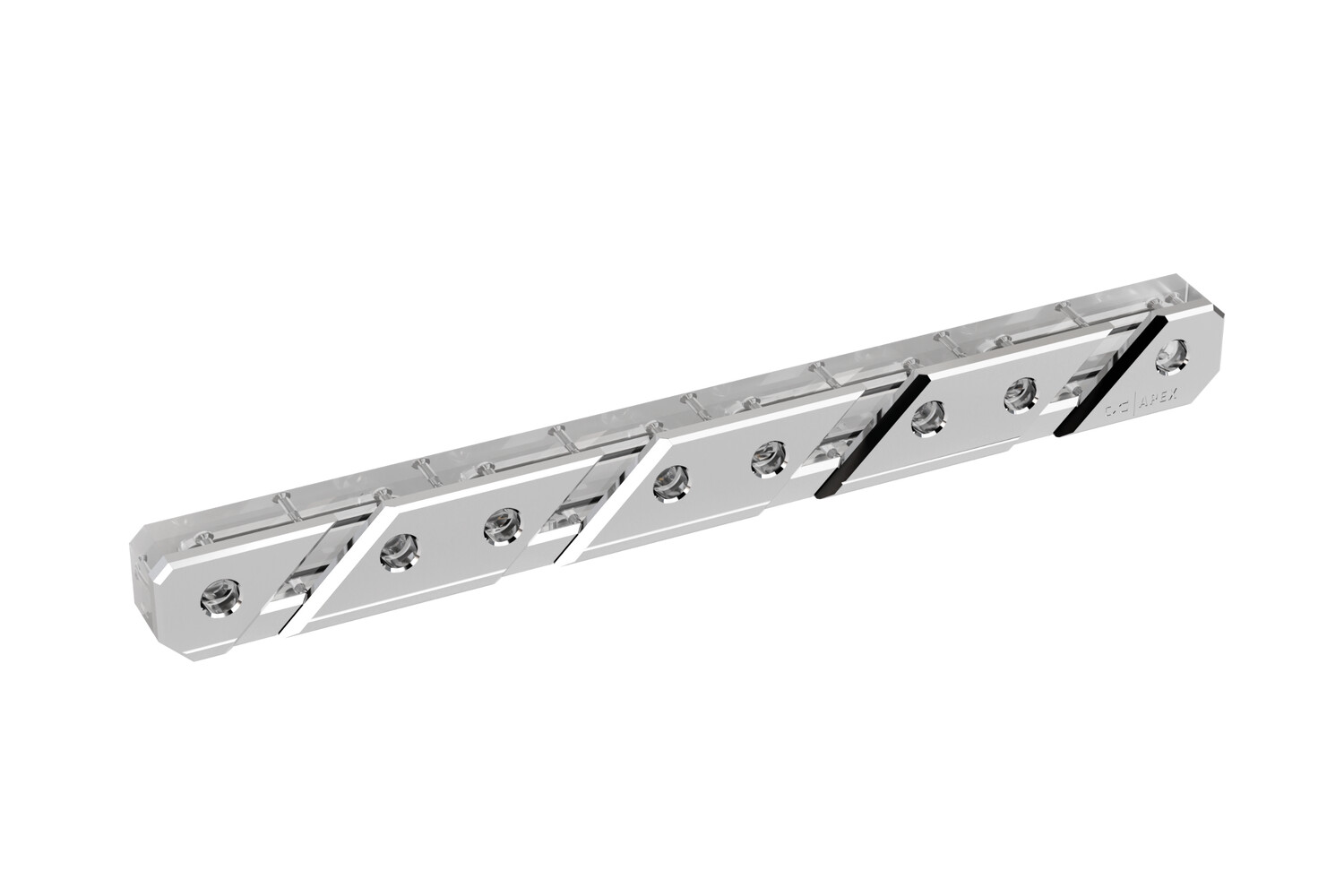
One intriguing detail is the custom waterblock fitted during testing, hinting at aftermarket modifications to improve cooling. While the stock passive cooler is designed for silent operation, some users may opt for liquid cooling to handle sustained workloads more efficiently.
Key Specs at a Glance
- Memory: 28x 3GB GDDR7 (84GB total), 448-bit bus
- Shaders: 19,968 (vs. 24,064 on RTX PRO 6000)
- Power Limit: 600W TDP (measured at 419W under load)
- Cooling: Passive cooler (server edition), custom waterblock in testing
- Market: China-exclusive workstation/server variant
The RTX 6000D’s arrival underscores NVIDIA’s segmentation strategy, offering a tiered approach to workstation GPUs that caters to different budget and performance needs. While it lacks the raw power of the RTX 5090 or RTX 4080 Super, its optimized memory and power profile make it a compelling option for specific professional use cases.