NVIDIA’s latest DLSS 4.5 advancements—including Multi Frame Generation and enhanced Super Resolution—are now live in three major releases, with more optimizations arriving via the NVIDIA Control Panel. The updates coincide with the launch of Capcom’s Resident Evil Requiem GeForce RTX 50-series bundle, offering a free game copy with qualifying hardware purchases.
Key releases with DLSS 4.5 support
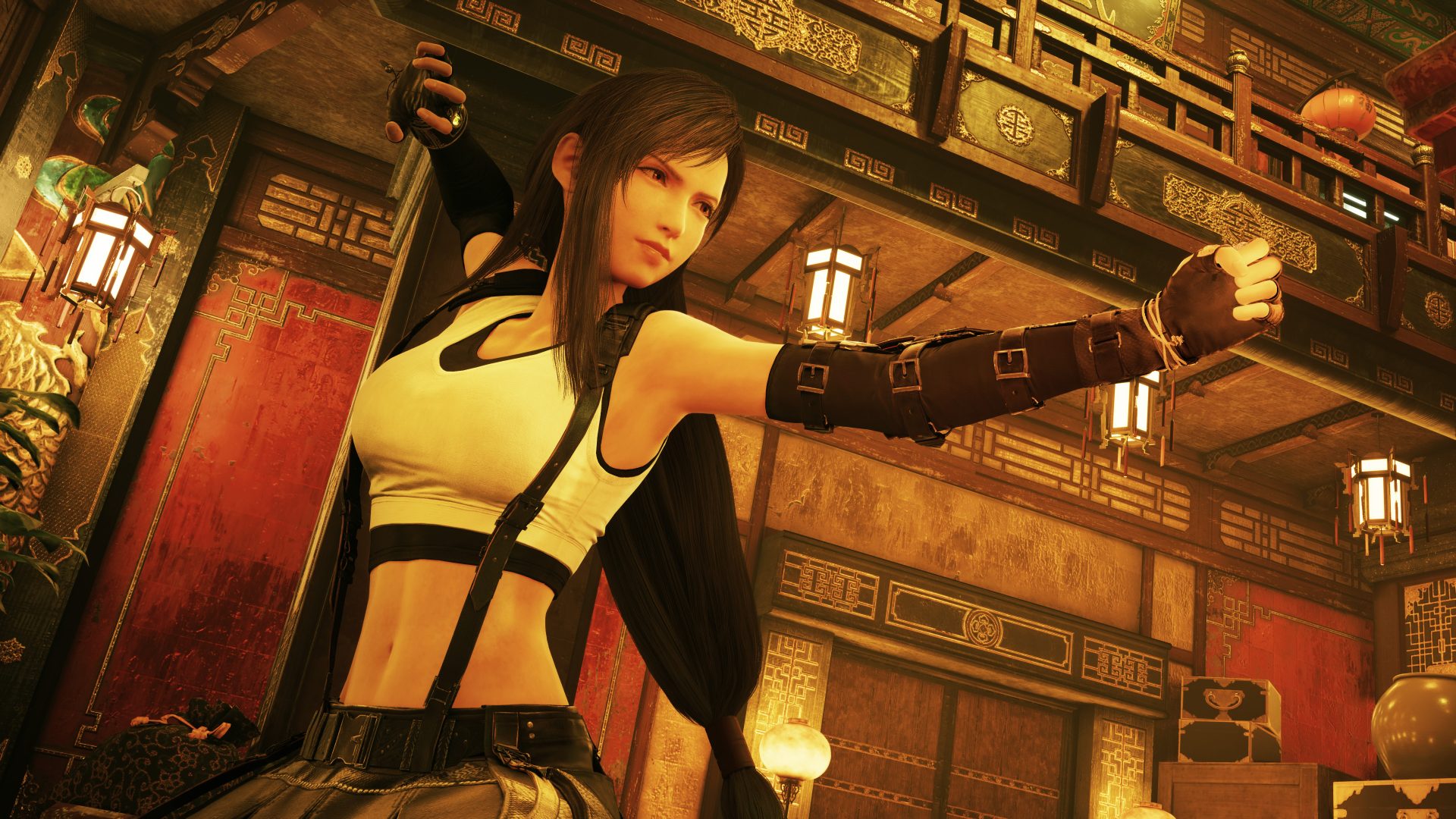
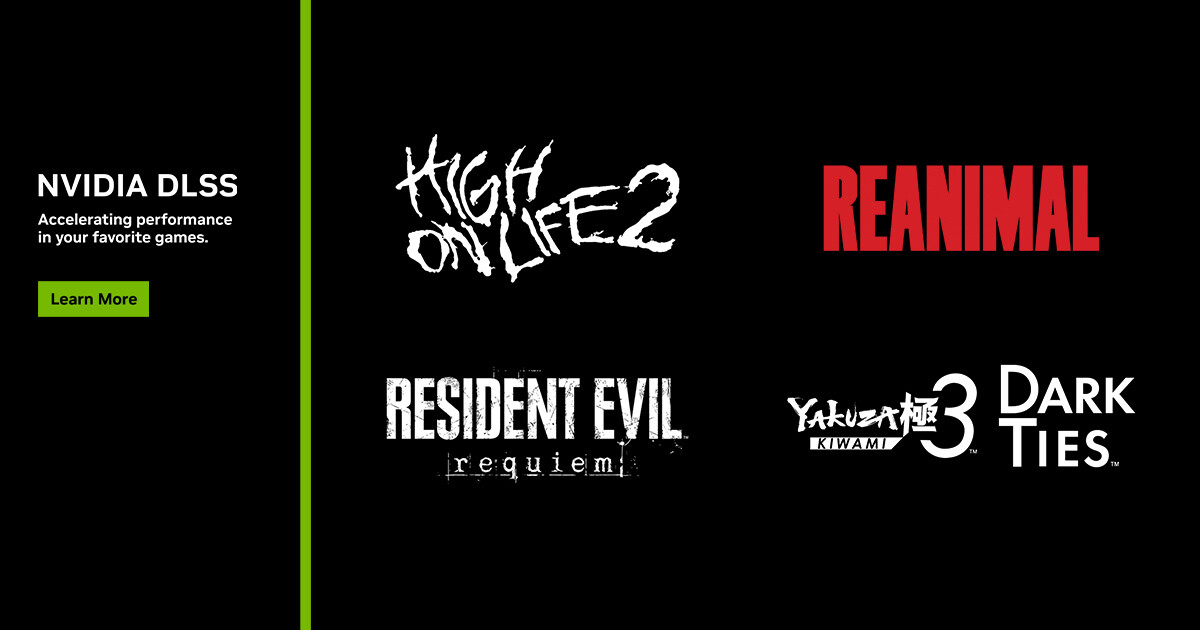
- Yakuza Kiwami 3 & Dark Ties (February 11): The 20th-anniversary remake of Yakuza 3, paired with a new standalone story, Dark Ties, now supports DLSS Frame Generation (upgradeable to Multi Frame Generation via the NVIDIA app) and DLSS Super Resolution (upgradeable to DLSS 4.5 Super Resolution). NVIDIA Reflex is also enabled for reduced input lag.
- High On Life 2 (February 13): Squanch Games’ chaotic sci-fi shooter leverages DLSS 4 with Multi Frame Generation for frame-rate boosts, with DLSS Super Resolution upgradeable to DLSS 4.5 via the app.
- Reanimal (February 13): THQ Nordic’s co-op horror game features DLSS Super Resolution (and DLAA for upscaling) with an optional upgrade to DLSS 4.5 Super Resolution.
The Resident Evil Requiem bundle is available immediately with purchases of GeForce RTX 5090, 5080, 5070 Ti, or 5070 GPUs (desktop or laptop) at participating retailers. The game itself is optimized for DLSS 4.5, including Multi Frame Generation and Super Resolution, alongside NVIDIA Reflex for competitive play.
What’s new for developers?
These titles mark a shift toward broader adoption of DLSS 4.5’s performance features. Multi Frame Generation—capable of generating up to six frames per input frame—is now accessible in Yakuza Kiwami 3 and High On Life 2, while DLSS 4.5 Super Resolution delivers higher-quality upscaling. The NVIDIA app acts as a post-launch optimizer, allowing players to toggle between Frame Generation and Super Resolution modes without reinstalling the game.
For studios, the integration process remains streamlined: NVIDIA’s SDK provides tools for DLSS 4.5 validation, and the Control Panel handles dynamic quality adjustments. However, enabling Multi Frame Generation requires additional testing, as it demands lower latency and higher frame pacing than traditional upscaling.
System requirements and tradeoffs
Multi Frame Generation is most effective on RTX 40-series and RTX 50-series GPUs, where it can nearly double frame rates in compatible titles. However, it introduces slight input lag—typically 8–16ms—due to frame generation latency. For competitive play, DLSS Super Resolution (without Frame Generation) is recommended, while creative or single-player experiences benefit from Multi Frame Generation’s performance gains.
The RTX 50-series hardware bundle reflects NVIDIA’s push into high-end gaming, with rumors suggesting the RTX 5090 could retail for $5,000 by CES 2026, driven by AI workload demand. The bundle aligns with Capcom’s push for Resident Evil Requiem’s path-traced visuals, which rely on DLSS 4.5 for stability at high resolutions.
NVIDIA has not confirmed additional DLSS 4.5 integrations beyond these titles, but the company continues to prioritize ray-traced and AI-accelerated games. Future updates may expand Multi Frame Generation to more genres, particularly in open-world or cinematic experiences where frame rates are critical. Developers are encouraged to validate their games through NVIDIA’s official certification process to ensure compatibility with the latest features.
For players, the immediate takeaway is access to higher frame rates and image quality in three major releases, with the added incentive of a hardware-bundled game. Admins managing enterprise or multi-GPU setups should note that DLSS 4.5’s performance gains are most pronounced on single-GPU configurations, while SLI/NVIDIA NVLink setups may see limited benefits from Frame Generation.