Phil Spencer’s retirement marks the end of an era—one defined by Xbox’s rise from underdog to gaming powerhouse. Nearly four decades after joining Microsoft as an intern, Spencer, who led Xbox since 2014, will step down as CEO of Microsoft Gaming. His departure isn’t just a leadership change; it’s a strategic realignment, with an AI executive stepping into the role and a key Xbox executive exiting the company entirely.
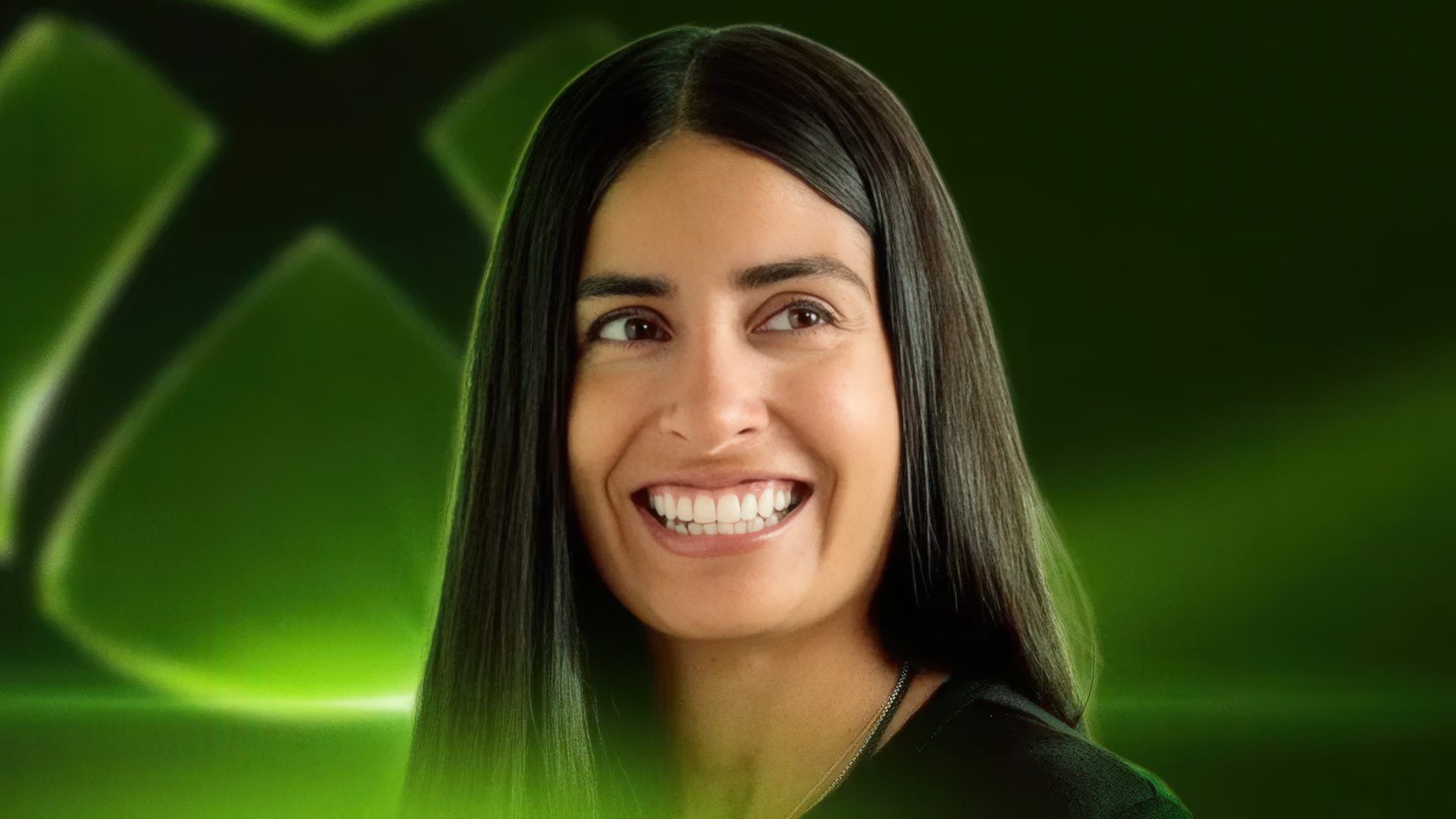
The most striking detail isn’t Spencer’s tenure—though 38 years at a single company is rare—but the identity of his successor. Asha Sharma, who joined Microsoft in 2024 as president of CoreAI, will now oversee Xbox. Her background is steeped in AI and digital platforms, not gaming. Before Microsoft, she served as COO of Instacart and held product leadership roles at Meta, bringing a perspective more aligned with Microsoft’s cloud and AI ambitions than traditional gaming.
Why the shift? Spencer’s memo to employees framed the transition as deliberate, emphasizing stability and a thoughtful plan for Xbox’s future. Yet the choice of Sharma—an outsider to gaming—suggests Microsoft is treating Xbox less as a standalone entertainment division and more as a strategic extension of its AI and cloud ecosystem. The move mirrors broader trends in tech, where gaming is increasingly seen as a platform for AI innovation, from generative tools to cloud-based experiences.
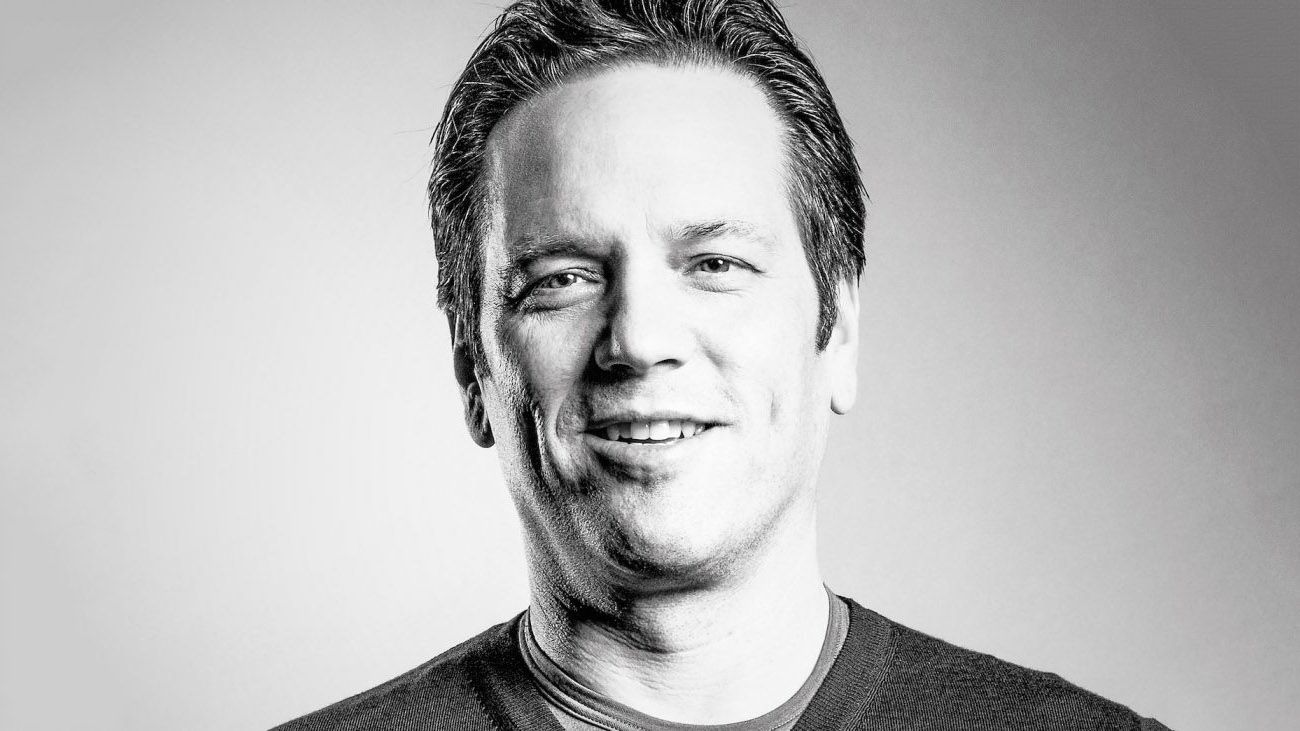
Notably, Sarah Bond, who joined Xbox in 2017 and was widely viewed as Spencer’s heir apparent, has resigned from Microsoft entirely. Her departure leaves Matt Booty, currently head of Microsoft Studios, as the new chief content officer—a role focused on games and IP rather than hardware or platform strategy.
What this means for Xbox
- A leadership team reshaped around AI and cloud priorities, with Sharma’s appointment signaling a potential pivot toward integrating Xbox more deeply into Microsoft’s broader tech stack.
- A reduced emphasis on traditional gaming leadership, as Bond’s exit removes a key figure in Xbox’s content and community strategy.
- Uncertainty about how quickly Xbox will adapt to its new leadership, particularly in an industry where gaming expertise often trumps AI experience.
The transition isn’t immediate. Spencer will remain in a consulting role through 2025, ensuring a measured handover. But the appointment of Sharma—who has never worked in gaming—underscores a fundamental question: Can Xbox’s future be built by someone who’s never designed a console, launched a game, or understood the nuances of player culture?
The answer may lie in Microsoft’s bet that AI isn’t just the next frontier for gaming; it’s the foundation upon which Xbox’s next chapter will be written.