For years, gaming mice have followed a predictable path: lighter weight, more buttons, higher DPI. But Logitech’s latest release, the G Pro X2 Superstrike, breaks that mold with a technology that feels like a leap forward rather than an incremental upgrade. By replacing traditional mechanical switches with haptic motors and inductive sensors under its left and right buttons, the Superstrike delivers something no gaming mouse has ever offered—fully adjustable actuation with zero mechanical delay.
This isn’t just about tweaking sensitivity curves. The Superstrike’s HITS (Haptic Inductive Trigger System) reimagines how buttons work. Instead of a physical click, the mouse uses electromagnetic fields to detect pressure and a tiny motor to simulate feedback at the exact moment you choose. The result? Rapid trigger rates—critical for tactical shooters like Counter-Strike 2—and the ability to fine-tune actuation to a fraction of a millimeter. It’s the same principle that made Hall effect keyboards a game-changer, but now applied to mouse clicks.
Why does this matter? Because, for the first time in a long while, a gaming peripheral isn’t just faster—it’s fundamentally different. And that difference could reshape how pros and competitive players approach games where split-second reactions decide matches.
How It Works—and Why It’s a Big Deal
The Superstrike’s tech isn’t just an evolution; it’s a departure from decades of mouse design. Traditional mechanical switches rely on physical movement to register a click, which introduces tiny delays—even in the best mice. The Superstrike’s inductive system measures pressure continuously, allowing actuation to be set as light as 0.1 grams. Combine that with haptic feedback, and you get the feel of a click without the mechanical limitations.
This isn’t new to keyboards—Hall effect switches have been refining actuation for years—but mice have lagged behind. The Superstrike bridges that gap. And unlike competitors like the Swiftpoint Z series, which use pressure-sensitive pads with an initial mechanical click, Logitech’s approach eliminates that first-stage resistance entirely. The payoff? Faster, more precise inputs in games where every millisecond counts.
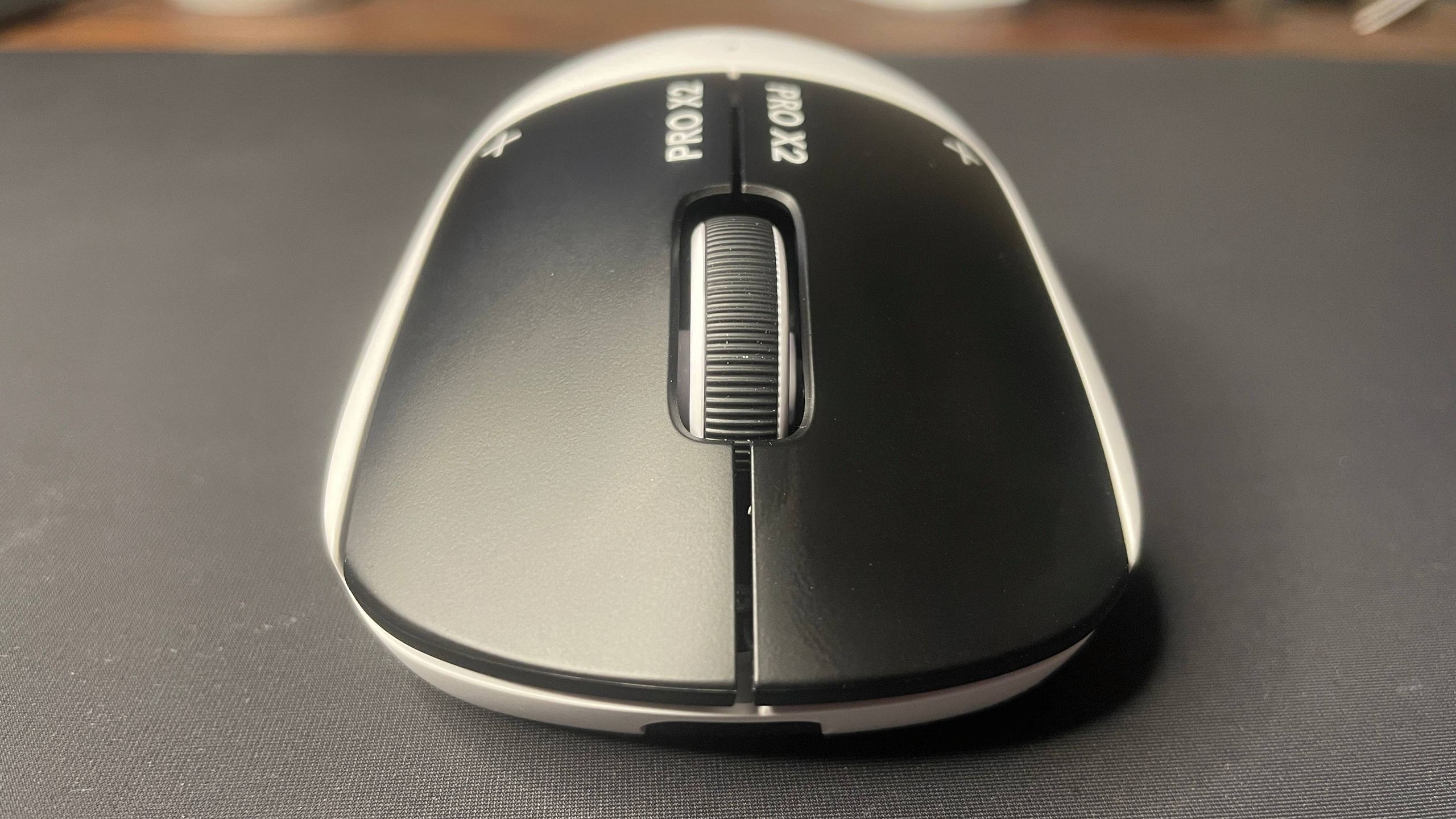
Key Specs: What’s Under the Hood
- Trigger System: Haptic Inductive Trigger System (HITS) with adjustable actuation (0.1g–10g) and rapid trigger rates.
- Weight: 63g (identical to the G Pro X Superlight 2).
- Sensor: Hero 25K (25,000 CPI).
- Buttons: 6 programmable buttons + side buttons.
- Skates: UPE (slow on cloth surfaces).
- Connectivity: Logitech Lightspeed wireless.
- Battery Life: Up to 80 hours (with Lightspeed).
- Price: $129.99.
The specs tell part of the story, but the real innovation lies in the HITS system. By removing mechanical constraints, Logitech has created a tool that could redefine competitive play. For players who’ve spent years optimizing keyboard actuation, this feels like a natural next step—one that might finally bring mouse buttons into the same precision-focused era.
That said, the Superstrike isn’t without tradeoffs. Its middle click can fail to register if pressed too lightly for extended periods—a known issue from the Superlight 2 it’s based on. And while the UPE skates glide smoothly on hard surfaces, they struggle on cloth pads, a common gripe in the competitive scene. These aren’t dealbreakers, but they’re reminders that even groundbreaking tech needs refinement.
A Glimpse Into the Future
The Superstrike’s rapid release—built on the chassis of an existing mouse—hints at how seriously Logitech views this technology. The company moved fast to avoid competitors copying the concept, but the long-term impact could be even bigger. Just as Hall effect keyboards went from niche to mainstream, HITS might follow a similar trajectory, with budget clones and third-party implementations hitting the market within months.
For now, the Superstrike is a proof of concept: a mouse that proves analogue triggers aren’t just possible, but useful. Whether it becomes a staple in esports setups or fades into obscurity depends on one thing—how many players realize they’ve been missing out on this level of control. And that realization might just change gaming mice forever.