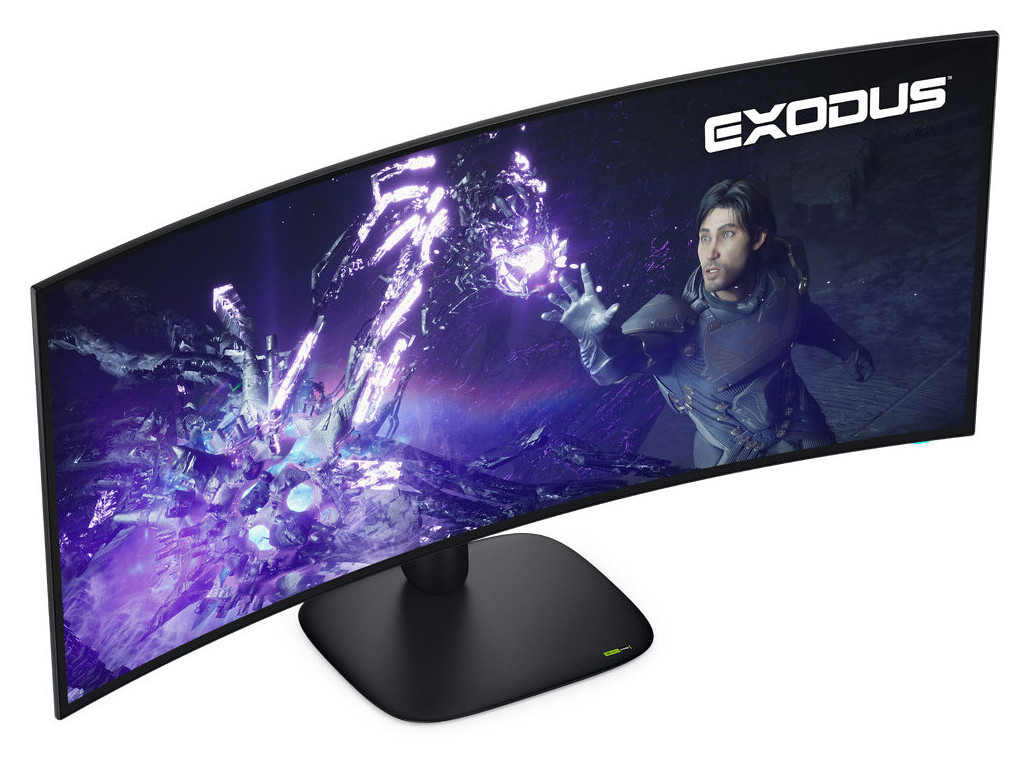
Laufey’s ‘Cosmic Cube’ is often discussed as a standalone innovation, but its full impact hinges on an underlying system that predates it: Phranque.
Phranque isn’t just a feature layered on later; it’s the architectural foundation that makes the cube’s mechanics possible. Without it, the cube would be little more than a visual spectacle. Instead, it becomes a dynamic tool for traversal and combat, reshaping how players navigate Midgard and engage with its world.
The key lies in how Phranque integrates with the cube. The cube itself is a spatial anchor—it orients players, marks objectives, and even alters gravity. But Phranque extends this by turning those anchors into interactive nodes. Players can ‘chain’ movements between them, creating fluid, gravity-defying paths that feel organic yet precise.

That’s the upside—here’s the catch: Phranque demands a level of precision that isn’t always intuitive. Players must learn to anticipate transitions, or risk getting stuck mid-sequence. It’s a deliberate design choice, one that rewards mastery but punishes hesitation.
The system also introduces a new layer of environmental storytelling. Midgard’s terrain is no longer static; it reacts to Phranque’s influence, warping space in ways that feel intentional yet unpredictable. This adds depth to the world, but it also means players must constantly adapt their approach rather than relying on memorized routes.
The result is a combat and traversal system that feels both grounded and otherworldly. It’s not just about moving faster—it’s about rethinking how movement itself functions in the game’s universe. Whether this will translate to broader player adoption remains to be seen, but its engineering tradeoffs are clear: precision over convenience, depth over simplicity.