The battle for durability between the iPhone 17 Pro Max and Samsung Galaxy S26 Ultra has produced a closer result than anticipated. In a recent drop test comparison, the iPhone 17 Pro Max showed slightly better resistance to impact, but not by the margin one might expect from two premium flagship devices.
This test is notable because it highlights how both manufacturers are pushing the boundaries of phone durability without resorting to overly thick or heavy designs. The iPhone 17 Pro Max's new ceramic shield and titanium frame have given it an edge, but the Galaxy S26 Ultra's reinforced glass and metal construction remain formidable.
Durability in a Slimmer Package
The iPhone 17 Pro Max's design evolution includes a more compact yet robust build. Its ceramic shield is designed to absorb shocks better than traditional glass, while the titanium frame adds strength without significant weight gain. This combination has allowed Apple to maintain its reputation for durability while also improving other aspects of the phone's performance and user experience.
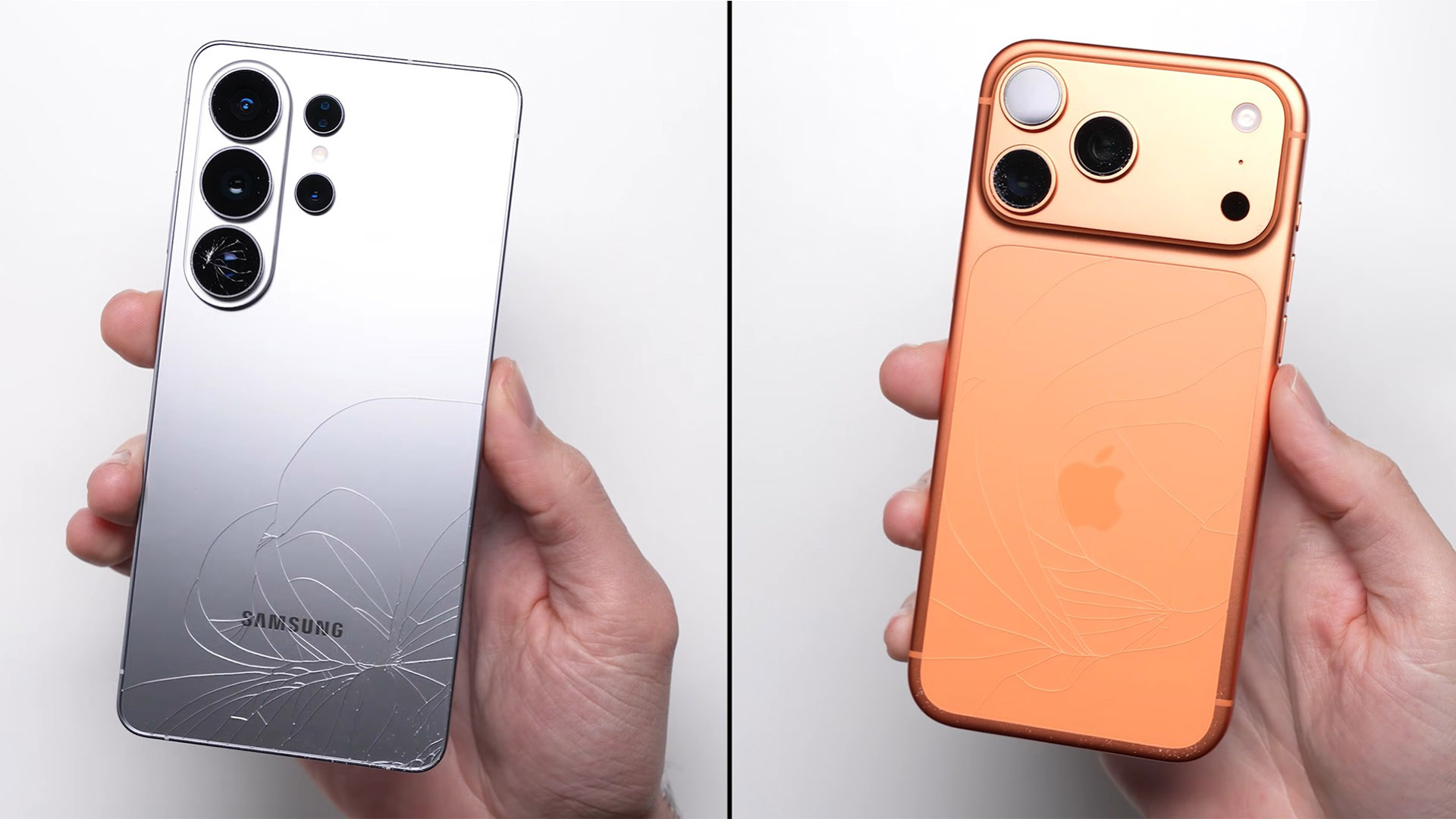
On the other hand, the Galaxy S26 Ultra continues Samsung's tradition of using a reinforced glass back with an aluminum frame. While this approach is slightly heavier, it provides a different kind of resilience, particularly in edge-to-edge drop scenarios where the phone's display and camera system are less likely to suffer damage.
Real-World Implications
The narrow margin between these two phones in terms of durability has significant implications for consumers. For those who prioritize a lighter device with a sleek design, the iPhone 17 Pro Max might be the better choice. However, users who value a slightly heavier but more versatile phone with advanced camera features may lean towards the Galaxy S26 Ultra.
Both phones represent the pinnacle of current smartphone technology, and this durability comparison underscores that neither brand is willing to compromise on build quality. As we look ahead, it will be interesting to see how both companies further innovate in this space, potentially introducing new materials or designs that redefine what we expect from a flagship phone.