Intel’s latest processors rely on a carefully balanced act: pairing high-performance P-cores with energy-efficient E-cores to handle everything from heavy workloads to background tasks. Take the Core Ultra 9 285K, for example—a 24-core chip where eight P-cores dominate demanding tasks while 16 E-cores manage lighter duties. This hybrid approach has defined Intel’s roadmap since Alder Lake, but whispers of a radical overhaul are circulating once again.
A job posting for a senior CPU verification engineer at Intel has surfaced, specifically targeting a Unified Core design team. The role centers on validating CPU logic against new architectural specifications, suggesting Intel is actively exploring a departure from its current split-core strategy. If realized, this shift could streamline chip design by eliminating the need to distribute tasks between different core types, potentially improving efficiency and performance per square millimeter of silicon.
Why a unified core matters—and why it’s not coming soon
Theoretically, a unified core design simplifies scheduling overhead and could optimize how tasks are allocated across a chip. Instead of juggling performance and efficiency cores, Intel might consolidate everything into a single architecture, much like AMD’s approach with its Zen cores. However, the transition appears to be years away.
Current rumors place the first unified-core processors under the Titan Lake codename, following Nova Lake (expected later this year) and Razer Lake. Even if Nova Lake arrives on schedule, a unified architecture could realistically debut no earlier than 2028, with some speculation pushing it toward 2030 or beyond. This timeline aligns with Intel’s hiring push—if engineers are being recruited now, production could still be years out.
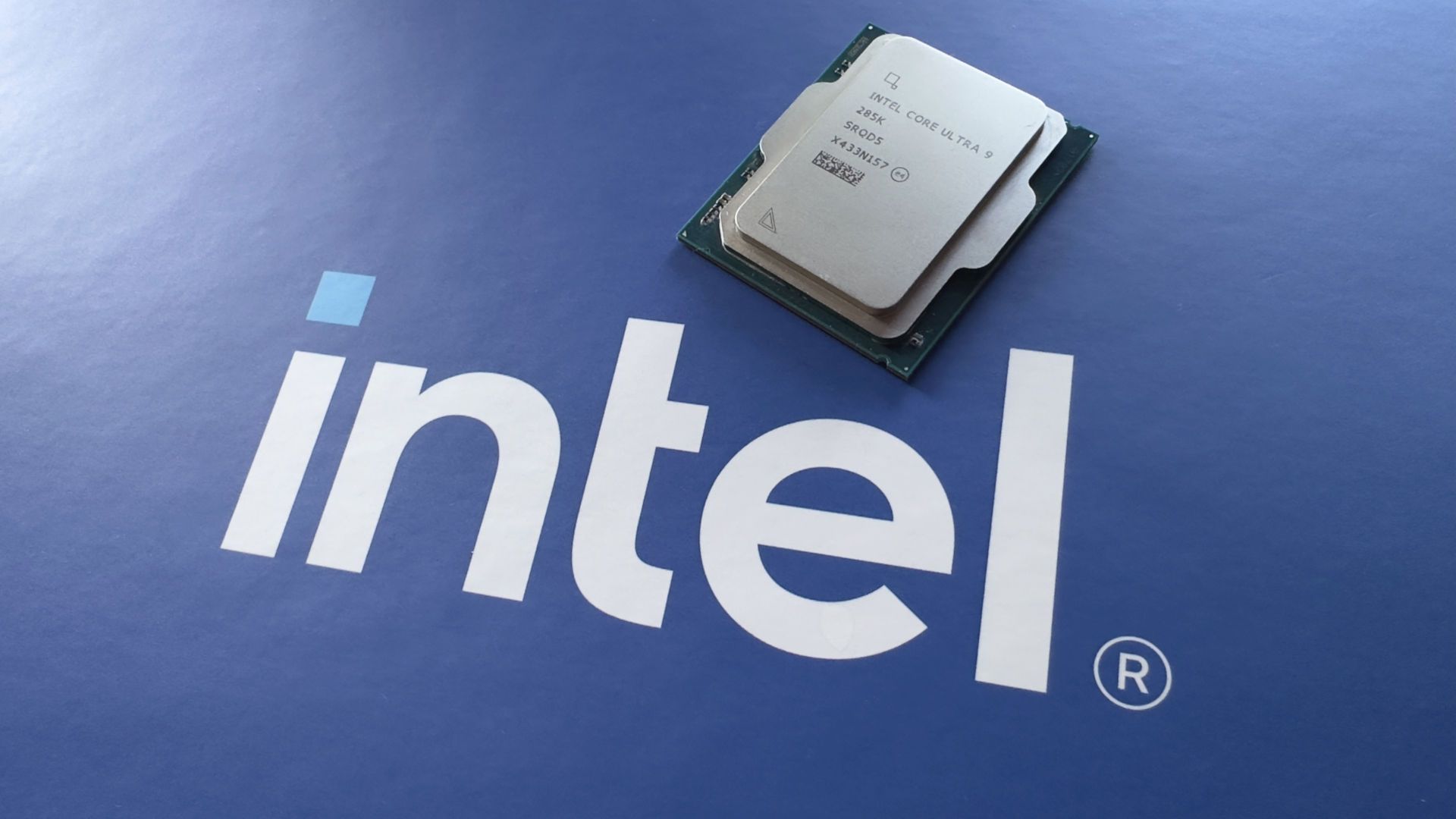
A glance at the Core Ultra 9 285K’s hybrid approach
For context, the Core Ultra 9 285K represents Intel’s most aggressive use of hybrid cores to date. Its architecture includes
- Cores: 24 total (8 Performance cores + 16 Efficient cores)
- Clock speeds: Up to 5.8 GHz (Performance cores) / 4.4 GHz (Efficient cores)
- Cache: 36MB L3 cache (shared)
- TDP: 285W (configurable)
- Process node: Intel 4 (enhanced)
This setup excels in workloads that can leverage both high-performance and low-power cores—ideal for content creation or multitasking—but also introduces complexity in managing workload distribution. A unified core could theoretically reduce that complexity, though real-world benefits remain speculative until hardware arrives.
What’s next?
Nova Lake, Intel’s next-generation mobile and desktop chips, will likely stick with the current hybrid model, using refined E-cores (codenamed Arctic Wolf) as a transitional step. Only Titan Lake may adopt the unified design, assuming the project advances beyond verification stages. Until then, Intel’s roadmap remains focused on incremental improvements rather than a full architectural overhaul.
For consumers, the delay means more time to adapt to existing hybrid designs—though the broader PC hardware landscape may shift dramatically by the time unified cores arrive. RAM costs, AI-driven demand, and competing architectures could all influence how (or if) Intel’s vision takes shape. One thing is certain: the wait for a unified future will test patience.