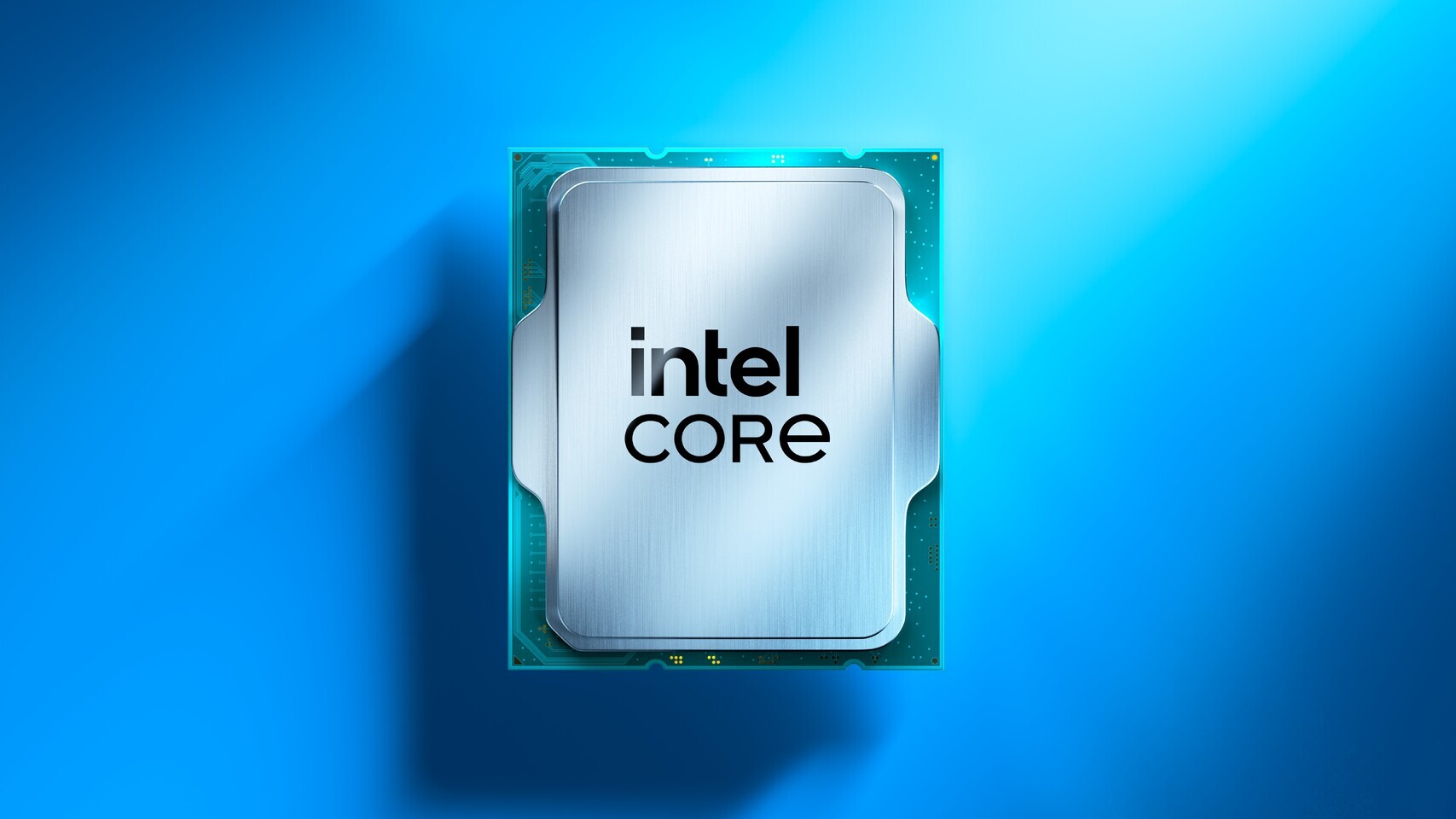
Industrial systems now have a processor that can handle multiple critical workloads simultaneously without sacrificing precision or timing. Intel’s Core Series 2, based on the Arrow Lake architecture, delivers deterministic performance that traditional processors struggle to match—reducing max PCIe latency by up to 4.4 times compared to AMD’s Ryzen 7 9700X.
This isn’t just about raw speed; it’s about reliability in environments where milliseconds matter. The new P-cores ensure consistent response times, even under heavy loads, making them ideal for safety-critical control systems and real-time data processing. For industries that have relied on complex multiprocessor setups to achieve stability, this could simplify architectures while improving efficiency.
But Intel isn’t stopping at performance. The company is also expanding its Edge AI portfolio with a Health & Life Sciences AI Suite, designed for patient monitoring solutions. This suite moves beyond synthetic benchmarks, offering validated pipelines that handle real-world scenarios like ECG arrhythmia detection and remote photoplethysmography—workloads that demand both AI acceleration and deterministic execution.
What sets this apart is the combination of performance gains and practical applications. While competitors focus on single-threaded improvements, Intel’s approach targets the full spectrum of edge computing needs: from real-time control to advanced AI workloads. The result? A platform that could redefine how industries build and deploy edge systems.
For gamers and enthusiasts, the Core Series 2 brings multi-thread performance gains—up to 1.5 times higher than previous generations—while maintaining deterministic behavior. This means smoother gameplay without compromises in stability, a critical factor for competitive titles where latency and response time can decide matches.
Yet challenges remain. The transition from efficiency (E) and performance (P) cores to a unified P-core design could introduce new thermal and power management complexities. Whether Intel’s deterministic improvements hold up under sustained workloads will be key for buyers evaluating long-term reliability.
The Core Series 2 is available now, alongside the recently launched Core Ultra Series 3 processors. A preview of the Edge AI suite for Health & Life Sciences is accessible on GitHub, with general availability planned for mid-2026. For industries pushing the boundaries of edge computing, this marks a milestone in balancing performance, reliability, and AI integration.