Innosilicon has entered the market with its LPDDR6 memory modules, which achieve a data transfer rate of 14.4 Gbps—nearly 35% faster than Samsung’s initial offering at 10.7 Gbps. This marks one of the first commercial implementations to meet the JEDEC standard for maximum per-pin speed, positioning Innosilicon as a key player in next-generation memory technology.
The new modules also introduce a significant efficiency improvement by increasing the number of bits transferred per byte from 8 to 12. This change doubles the single-channel bandwidth at 24-bit I/O compared to LPDDR5X, which operates at 16-bit single-channel speeds. The shift not only enhances performance but also addresses power consumption concerns critical for mobile devices.
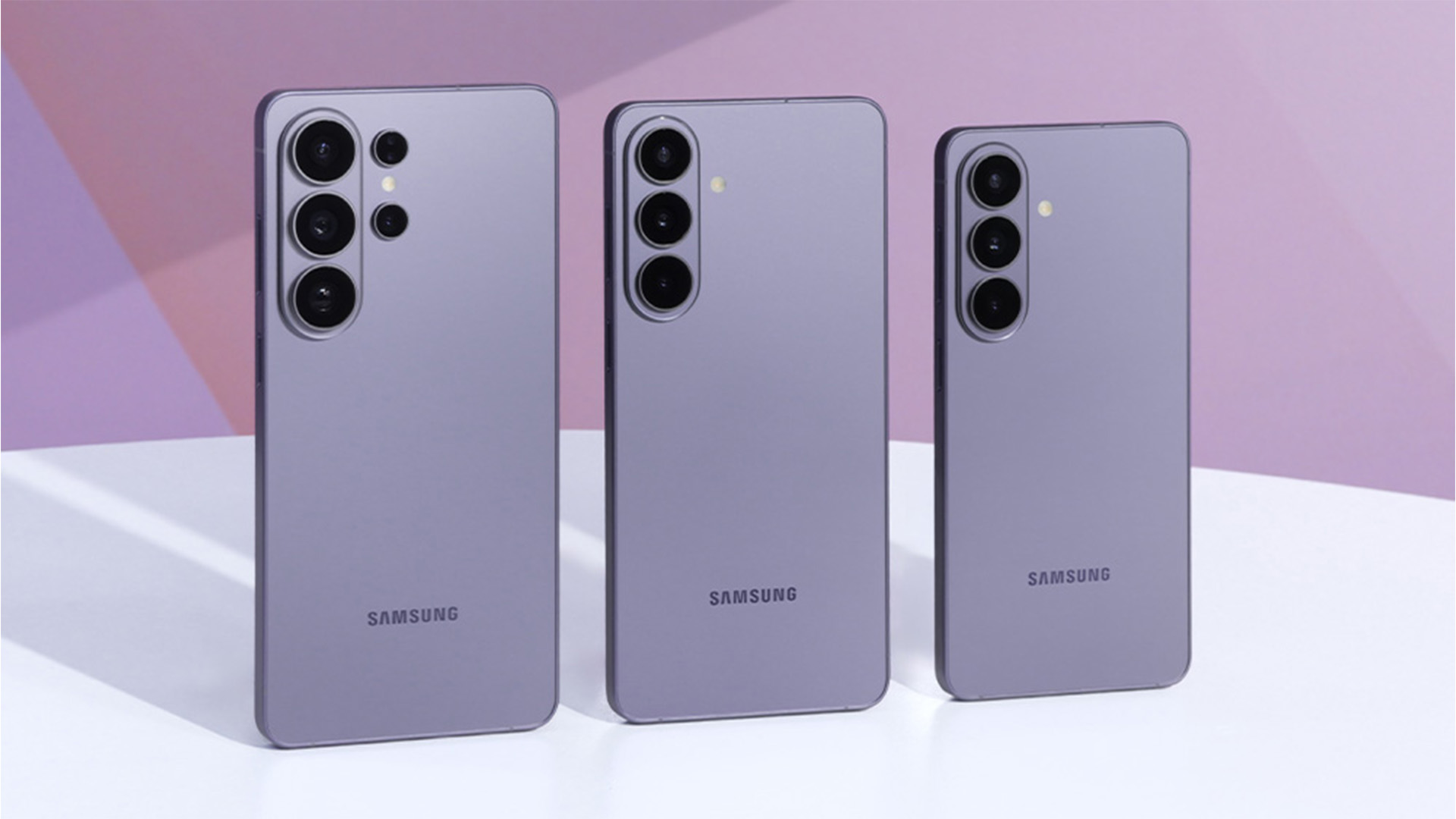
Innosilicon’s move comes as competitors like Samsung, SK Hynix, and Micron prepare their own LPDDR6 solutions, though early production remains limited. While Samsung has focused on power efficiency—claiming a 21% improvement over its predecessor—the company’s modules are built on a 12 nm process, peaking at the same speed as its earlier LPDDR5X line. In contrast, Innosilicon’s approach targets raw performance from the outset.

Manufacturing partnerships with TSMC and Samsung are expected to ensure sufficient capacity for LPDDR6 production, addressing potential supply constraints that have plagued the industry in recent years. The availability of off-the-shelf modules will be a decisive factor for customers evaluating options between Innosilicon’s high-speed solution and competitors’ efficiency-focused alternatives.
As demand for faster, more efficient memory grows—particularly in AI-driven devices and high-performance mobile platforms—the race to optimize LPDDR6 technology is likely to accelerate. Industry observers will closely monitor how these modules perform in real-world applications and whether they can sustain the speed advantages promised on paper.