The evolution of USB microphones has been a long one—from clunky, low-quality plug-and-play devices to high-fidelity alternatives that rival professional XLR setups. But even as USB mics have improved, XLR remains the gold standard for serious audio work, requiring separate interfaces and phantom power. HyperX’s FlipCast aims to bridge that gap with a dynamic microphone that offers both USB Type-C and XLR connectivity, eliminating the need for phantom power and simplifying setup. The result? A versatile tool for streamers, podcasters, and content creators who demand flexibility without sacrificing performance.
At first glance, the FlipCast’s dual-interface design is its strongest selling point. The USB Type-C port (with an included Type-A adapter) ensures plug-and-play convenience, while the XLR output works seamlessly with most audio interfaces—no phantom power required. This duality makes it one of the few mics that can transition effortlessly between casual streaming and professional recording setups. The build quality is solid, featuring a robust boom-arm-compatible stand (supporting both 3/8-inch and 5/8-inch threads) and a large foam windscreen to minimize plosives. However, like many high-end podcast mics, it omits a desktop stand, leaving users to purchase one separately—a minor but noticeable omission.
The FlipCast’s physical design is striking, with a capacitive mute button, an RGB lighting ring that cycles through colors at impressive speed, and a rear-mounted volume dial for quick adjustments. Two physical switches on the back control a high-pass filter and a presence boost, allowing users to fine-tune their sound profile on the fly. With both switches engaged, the mic delivers a crisp, clear vocal tone—ideal for cutting through background noise in gaming streams but somewhat lacking in richness for full vocal recording. Disabling the filters restores warmth to the sound, though it still falls short of the polished, radio-like clarity of competitors like the Shure MV7+.
Audio Performance: Clear but Not Polished
The FlipCast’s dynamic capsule excels in clarity, particularly when paired with its built-in noise-canceling, compression, and limiter features. However, these tools are implemented in a disappointingly basic way—users can only toggle them on or off, with no granular control over sensitivity or effect intensity. The noise cancellation, in particular, struggles with subtle background sounds like fabric rustling or zipper noise, producing abrupt cuts that sound unnatural. A simple slider for adjustment would have made a world of difference, but as it stands, the feature feels more like a gimmick than a refined tool.
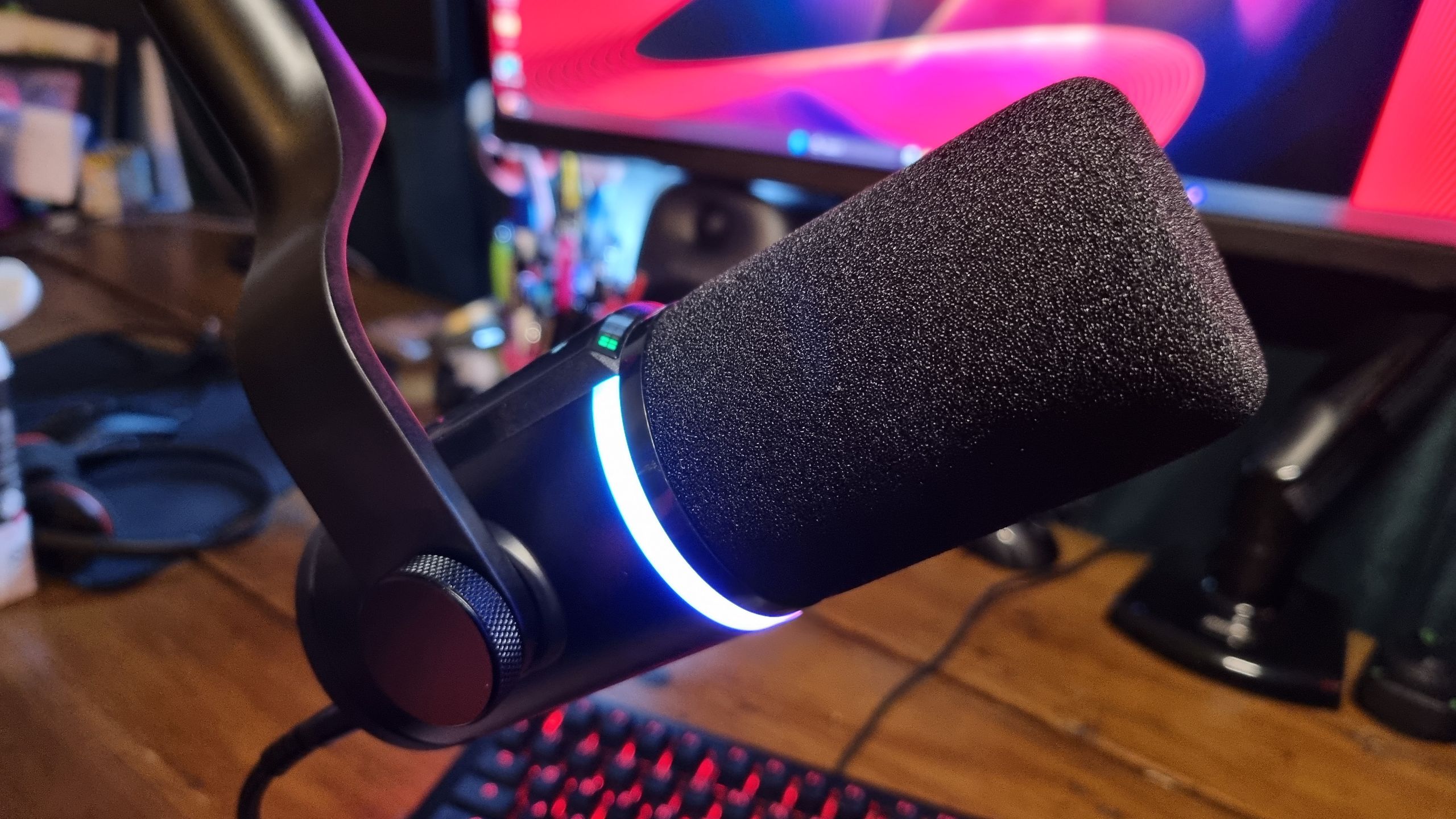
When all software features are enabled—noise cancellation, limiter, and compression—the FlipCast strikes a balanced tone, though the result leans toward a slightly forced, hyper-clean sound. For most users, keeping noise cancellation and the limiter active while disabling compression and the filters will yield the best balance of dynamics and richness. The XLR output shares the same sensitivity issues, requiring additional VST plugins to manage gain and tone effectively.
Software: A Missed Opportunity
HyperX’s Ngenuity software is where the FlipCast stumbles the most. While the mic itself captures solid audio, the lack of presets, adjustable sliders for noise cancellation, and fine-tuned EQ controls limits its accessibility. Most users will appreciate the simplicity of toggle-based settings, but the absence of nuanced adjustments leaves room for frustration—especially for those accustomed to more sophisticated tools. The default settings are usable, but they don’t inspire confidence in the software’s long-term flexibility.
- Streamers and content creators who want a versatile mic with dual connectivity and RGB lighting will appreciate the FlipCast’s build and features. The dual-interface design is a major plus for those who switch between USB and XLR setups.
- Podcasters and voice artists seeking a balance of clarity and richness may find the FlipCast appealing, though its lack of depth compared to the Shure MV7+ is a notable drawback.
- Budget-conscious buyers should look elsewhere. At $261, the FlipCast competes directly with the Shure MV7+, which offers superior software, a more refined sound profile, and better overall value.
The FlipCast is undeniably a well-engineered microphone with a strong audio foundation, but its software limitations and hefty price tag make it a tough sell against more polished alternatives. For $261, the Shure MV7+ remains the smarter choice, offering better software, a more professional sound, and a feature set that justifies its cost. That said, if budget isn’t a concern and dual connectivity is a priority, the FlipCast delivers—just don’t expect perfection in every department.