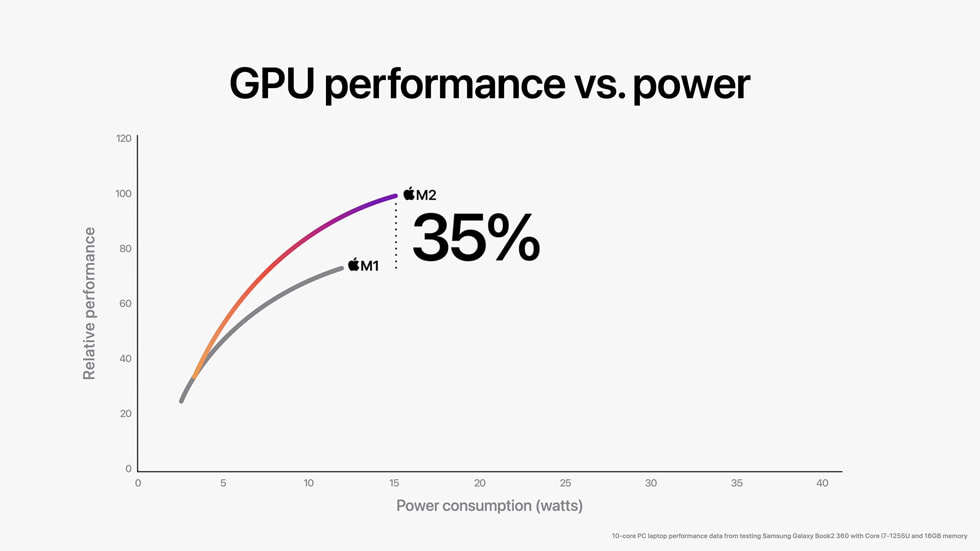
The HPE Cray GX5000 supercomputer has entered a new phase with the introduction of NVIDIA’s latest hardware lineup, including the Vera Rubin NVL72 GPU and Quantum-X800 InfiniBand. This update is part of a broader push to improve performance-per-watt efficiency in high-performance computing (HPC) environments, where thermal constraints are becoming increasingly critical.
The addition of these components to the AI Factory—an ecosystem designed for accelerated AI workloads—signals HPE’s commitment to balancing computational power with thermal management. The new hardware is expected to deliver significant improvements in both performance and energy efficiency, though the full impact remains to be seen as enterprises grapple with the trade-offs between speed and heat dissipation.
Performance-Per-Watt and Thermal Challenges
The Vera Rubin NVL72 GPU represents NVIDIA’s latest effort to optimize AI workloads, offering a blend of high performance and lower power consumption. However, its integration into large-scale systems like the Cray GX5000 raises questions about how well these gains can be realized in practice, particularly when paired with advanced cooling solutions.

- Vera Rubin NVL72 GPU: A new generation of NVIDIA’s Blackwell architecture, designed for AI acceleration with improved efficiency.
- Quantum-X800 InfiniBand: The latest iteration of NVIDIA’s high-speed networking technology, aimed at reducing latency in large-scale deployments.
The Quantum-X800 InfiniBand is particularly notable for its potential to streamline data movement across nodes, which is crucial for AI workloads that demand both speed and scalability. However, the real-world benefits will depend on how effectively HPE can integrate these components into its existing infrastructure.
Industry Shift: Efficiency Meets Heat
The push toward better performance-per-watt efficiency is a defining trend in modern computing, especially for AI. Enterprises are increasingly prioritizing systems that can deliver high performance without overwhelming cooling requirements. This shift is not just about hardware; it also involves rethinking data center design and thermal management strategies.
While the new NVIDIA components offer promising improvements, their success will hinge on how well they address the dual challenges of performance and heat. The Cray GX5000’s AI Factory may serve as a testbed for these solutions, but whether they can be scaled effectively across different enterprise environments remains an open question.
For now, the focus is on proving that these advancements can deliver tangible benefits without introducing new inefficiencies. The coming months will likely see a closer look at how these systems perform under real-world conditions, with a keen eye on both speed and thermal management.