Owners of G.Skill memory modules purchased between January 2018 and January 2026 may soon receive unexpected cash back—up to $150 per person—thanks to a class-action settlement over alleged speed misrepresentations. The payout targets DDR4 kits rated at 2133 MHz or higher and DDR5 kits at 4800 MHz or faster, covering a wide swath of high-performance kits used in gaming rigs and workstations.
The settlement fund totals $2.4 million, with individual claims capped at $150. Most claimants won’t need receipts for up to five qualifying sticks, though proof becomes necessary for additional items. Payouts range from $15 to $30 per eligible stick, distributed via PayPal, Zelle, or check.
This isn’t just a technicality. DDR5 memory prices have surged three-to-four times beyond pre-2023 levels due to AI-driven demand, making even modest rebates a rare victory for consumers. The settlement’s ease of filing—taking less than 10 minutes for multiple claims—could draw thousands of applicants, though lawyers typically absorb the bulk of the fund.
Who qualifies?
The settlement applies to G.Skill DDR4 and DDR5 RAM kits sold between January 31, 2018, and January 7, 2026, with the following speed thresholds
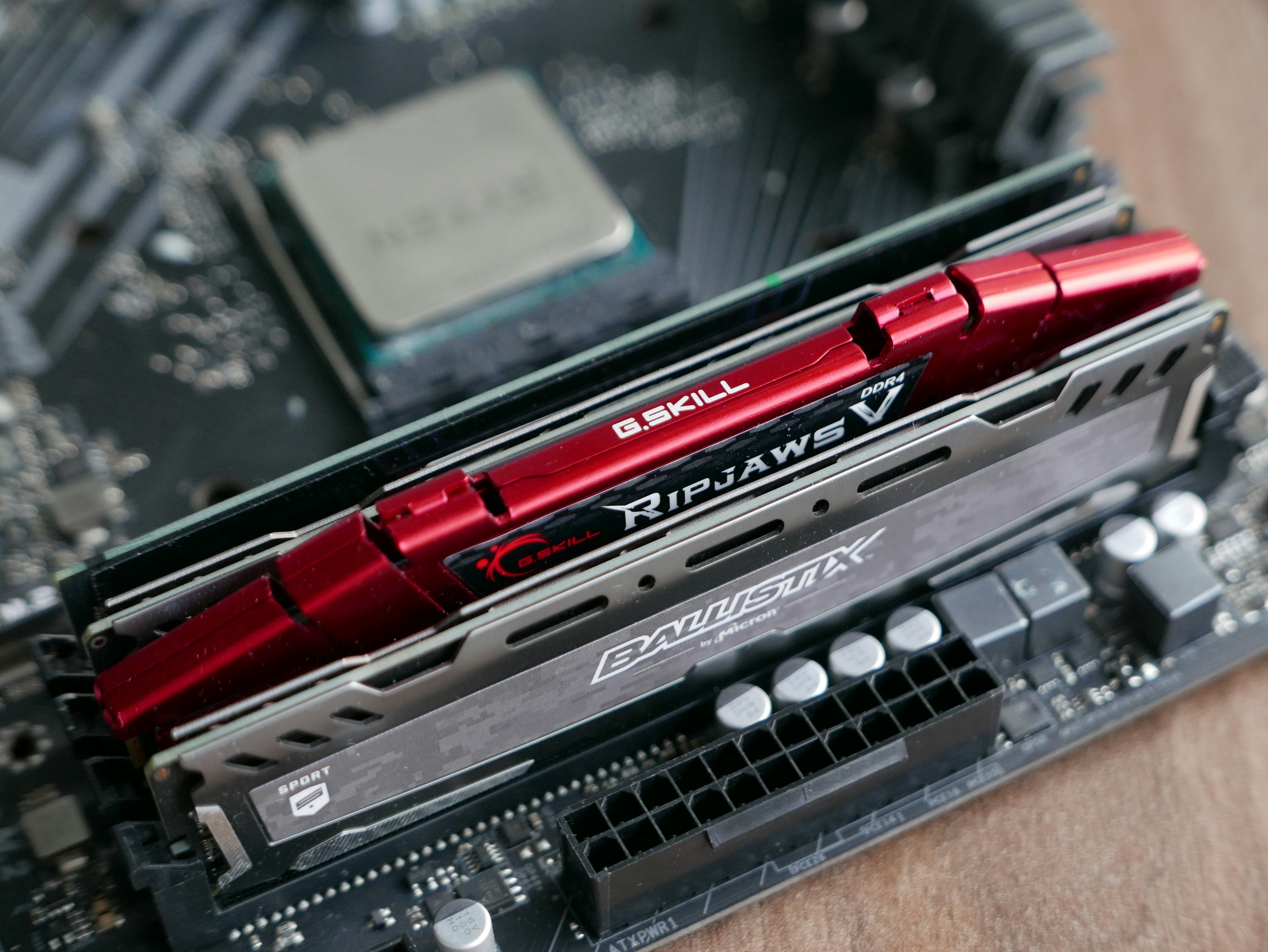
- DDR4: 2133 MHz or higher
- DDR5: 4800 MHz or higher
This includes mainstream gaming kits, overclocked modules, and high-capacity workstation RAM. For example, a 32GB DDR5-6000 kit or a 16GB DDR4-3200 dual-channel pair would likely qualify if purchased within the timeframe.
How to claim
No receipts are required for up to five sticks per claimant. Additional items beyond five will need proof of purchase. The process involves submitting basic purchase details through the settlement administrator’s portal, with payouts expected to begin in mid-2026.
While $150 is modest compared to the cost of high-end RAM today, it’s a rare reprieve in an era where memory prices remain inflated. For context, a single 32GB DDR5-6000 kit now costs around $150—meaning this payout could effectively halve the price for some buyers.
G.Skill has not commented on the settlement’s specifics, but the case stems from allegations that advertised speeds exceeded real-world performance in some configurations.