When a company’s most sensitive intellectual property becomes the target of corporate espionage, the consequences ripple far beyond boardrooms. For Google, the stakes just got higher: three engineers—two sisters and one husband—are now facing federal charges for allegedly stealing trade secrets from its Tensor chip division, including cryptographic protocols that underpin security for billions of devices. The case, which includes allegations of attempted data exfiltration to Iran, marks one of the most serious breaches in the tech industry’s push to dominate AI hardware.
The U.S. Attorney’s Office for the Northern District of California has indicted Samaneh Ghandali, Mohammadjavad Khosravi, and Soroor Ghandali on charges of conspiracy to commit trade secret theft, obstruction of justice, and the unauthorized transfer of confidential documents. The trio is accused of obtaining and copying hundreds of files—including Google’s Tensor chip security and cryptography blueprints—from internal systems and transferring them to unauthorized third-party platforms, personal devices, and even work computers at other companies. Authorities claim the defendants went to extreme lengths to conceal their actions, including manually photographing sensitive screen content before traveling to Iran in late 2023.
Who They Were—and How Deep the Theft Went
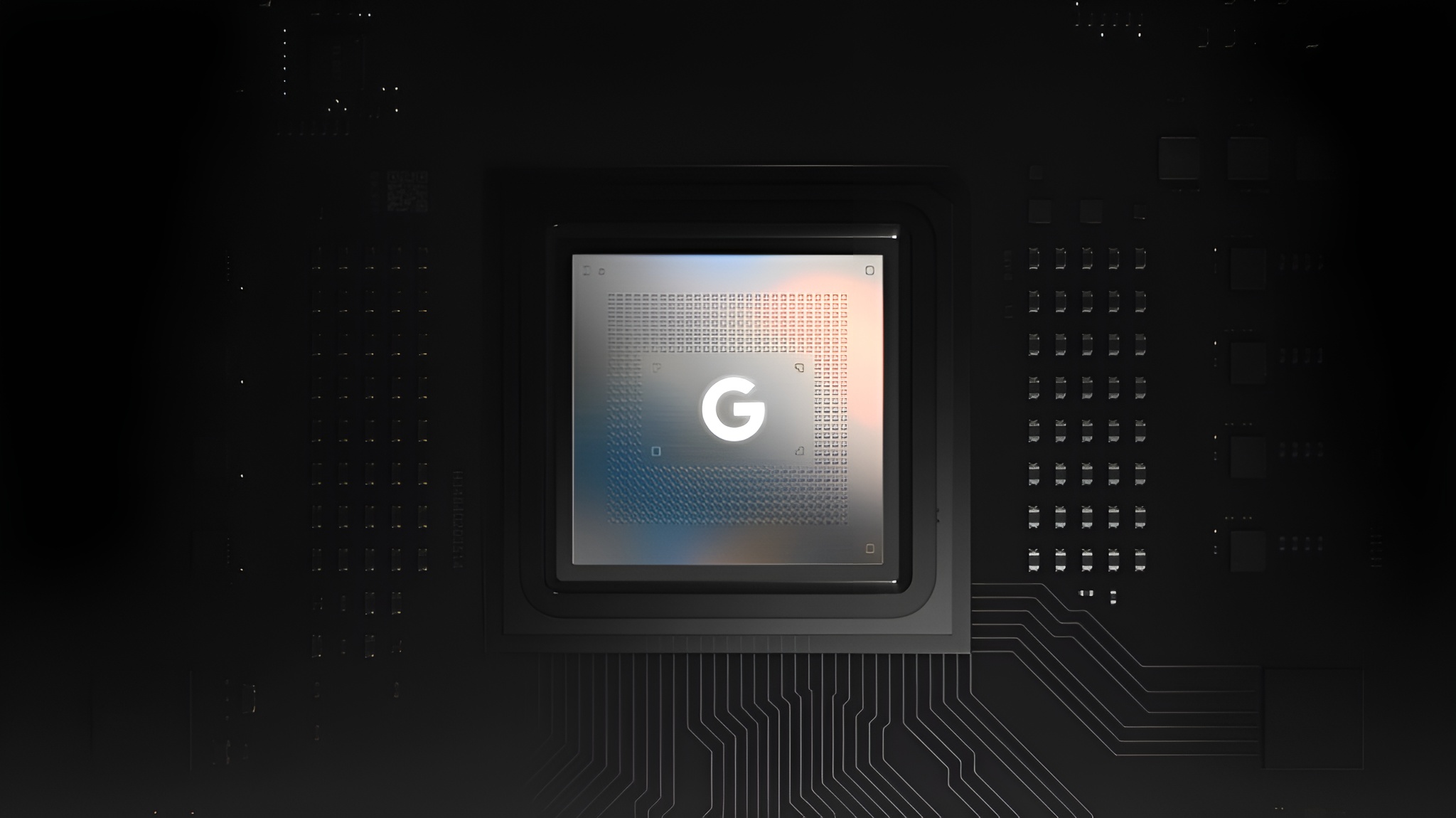
Samaneh Ghandali, a former Google hardware engineer, and her sister Soroor, who interned at the company, allegedly leveraged their access to exfiltrate files related to Google’s Tensor G3 chip—introduced in the Pixel 8 series—and its Titan M2 security coprocessor, a critical component for hardware-level encryption. Mohammadjavad Khosravi, Samaneh’s husband, worked at another tech firm (referred to as Company 2 in court documents) and had repeatedly applied to Google but was rejected. Prosecutors allege that the trio coordinated the theft over months, with files later accessed from devices linked to Iran.
The focus on Tensor’s cryptography protocols is particularly alarming. The Tensor G3’s security core—a specialized CPU subsystem designed to isolate sensitive operations—represents a cornerstone of Google’s efforts to secure its AI-driven hardware. With the upcoming Tensor G6 expected to debut alongside an even more advanced Titan M3 coprocessor, the stolen documents could potentially expose vulnerabilities in next-generation chips.
Key Allegations in the Case
- Trade Secret Theft: Hundreds of confidential files, including Google Tensor chip security and cryptography documents, were allegedly copied and transferred to unauthorized accounts and devices.
- Obstruction of Justice: Defendants submitted false affidavits to cover their tracks and attempted to destroy digital evidence, including manually photographing screen content to avoid detection.
- International Exfiltration: On the eve of travel to Iran in December 2023, Samaneh Ghandali photographed sensitive screen content from Khosravi’s work computer. Devices linked to Iran later accessed these images.
- Connections to Iran: The defendants’ ties to Iran and their interest in Google’s cryptography protocols have raised suspicions of potential state involvement, though no official confirmation has been made.
- Targeted Companies: Beyond Google, the indictment suggests the trio also targeted trade secrets from other leading tech firms.
The case underscores a growing threat in the tech industry: as companies race to develop cutting-edge AI hardware, the risk of intellectual property theft—whether by rogue insiders or state-backed actors—has never been higher. Google’s Tensor chips, in particular, have become a focal point, given their role in powering everything from Pixel smartphones to AI-driven data centers. The theft of cryptography protocols could have far-reaching implications, potentially compromising the security of millions of devices relying on Google’s hardware.
While the defendants’ motives remain unclear, the timing of the alleged theft—amid Google’s aggressive push into AI and the geopolitical tensions surrounding semiconductor technology—adds a layer of complexity. The case is expected to proceed through federal court in San Jose, with potential sentencing including up to 20 years in prison if convicted. As the legal battle unfolds, the tech industry will be watching closely to see how such breaches are addressed—and whether they signal a broader pattern of espionage in the AI hardware arms race.