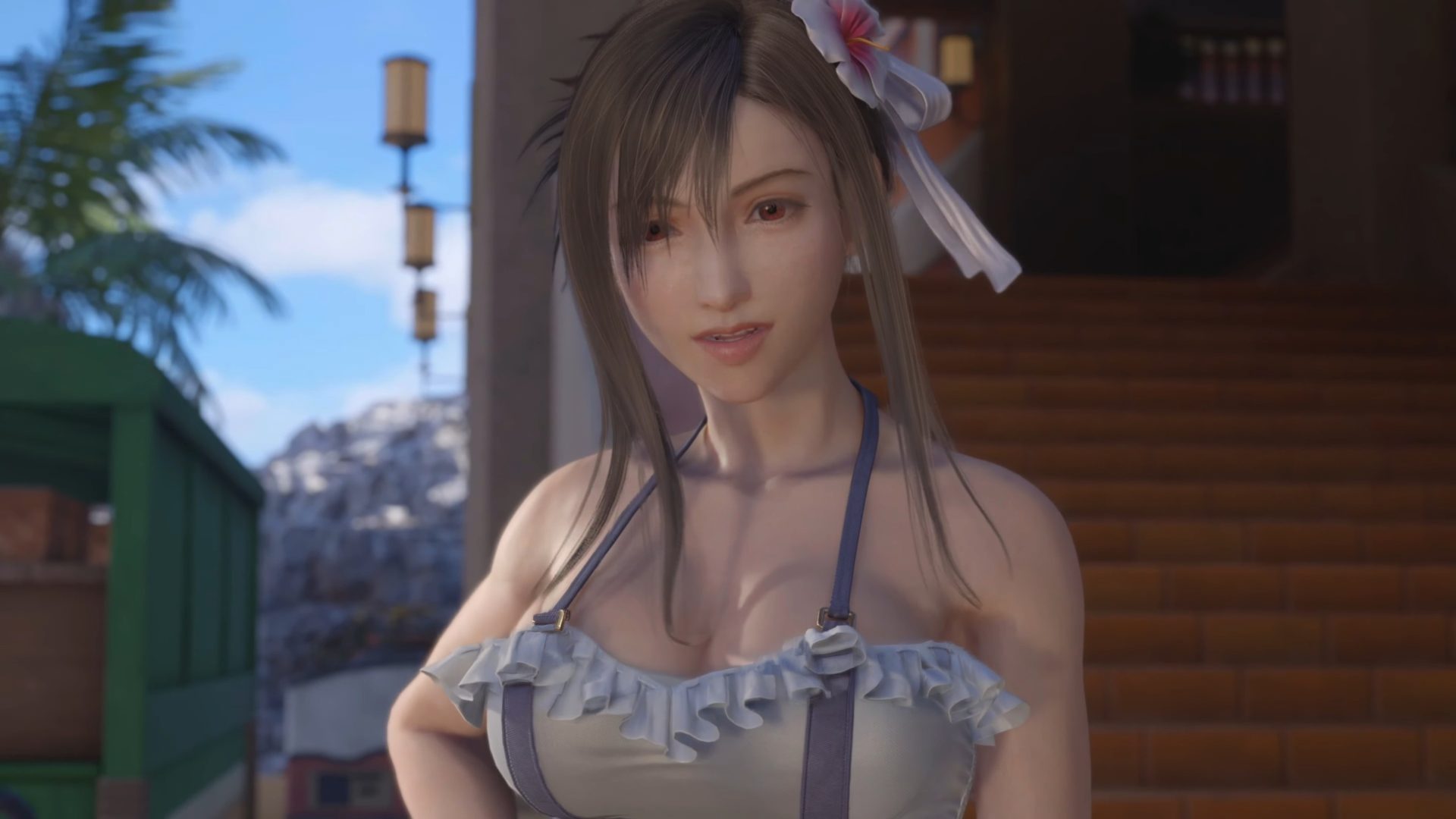
For PC players who missed out on the original Fable experience or want to revisit its world, the post-launch story expansion for Fable: Order of the Hero has just become available as a standalone purchase—at $99.99. The move marks a shift from the game’s initial release model, where the content was bundled with the base game or offered through seasonal passes.
The revealed system requirements hint at a design that prioritizes accessibility over high-end performance, making it a more viable option for mid-range builds than its predecessor. This could appeal to both seasoned PC builders looking for value and newcomers who want to experience the game without significant hardware upgrades.
System Requirements: A Balanced Approach
- Minimum:
- OS: Windows 10 (64-bit)
- CPU: Intel Core i5-730 / AMD Ryzen 3 1200 or equivalent
- GPU: NVIDIA GeForce GTX 950 / AMD Radeon R9 280 or equivalent, 4GB VRAM
- RAM: 6GB
- Storage: 20GB available space
- Recommended:
- CPU: Intel Core i5-10400 / AMD Ryzen 5 3600 or equivalent
- GPU: NVIDIA GeForce GTX 1660 Super / AMD Radeon RX 5700 XT or equivalent, 8GB VRAM
- RAM: 8GB
The requirements suggest that the expansion is optimized for mid-tier hardware. While it won’t demand the latest GPUs like the RTX 40 series, it still leaves room for future-proofing without requiring high-end specifications. This balance could make it an attractive option for players who want to avoid unnecessary costs while enjoying a polished experience.

Who Should Consider It?
The $99.99 price tag and modest system requirements position this expansion as a targeted offering, not a universal upgrade. For enthusiasts building high-end systems or those with existing RTX 40-series GPUs, the value proposition is less clear—especially if they’ve already invested in premium hardware. However, for players on mid-range builds (e.g., GTX 1660 Super or RX 5700 XT), the expansion offers a compelling entry point without forcing an upgrade.
On the other hand, those with lower-end setups (GTX 950 or R9 280) may find performance acceptable but should expect compromises in visual fidelity. The lack of DLSS support also limits optimization for newer GPUs, which could be a drawback for players aiming for long-term compatibility.
Looking Ahead
The standalone pricing model is notable, as it reflects the evolving landscape of PC game monetization. While some expansions are designed to reward early adopters or those who commit to seasonal passes, this one appears to cater to a broader audience—including players who may have skipped the original release. The modest hardware demands also suggest that the developers prioritized accessibility over cutting-edge performance, which could set a precedent for future content drops.
For PC builders, the key takeaway is clear: if your system aligns with the recommended specs or better, this expansion is worth considering without hesitation. For those on tighter budgets or lower-end hardware, it’s still playable but may require some adjustments to maintain smooth performance. The move away from a bundled model also raises questions about how future expansions will be structured—whether they’ll follow this standalone path or continue to leverage seasonal passes remains to be seen.