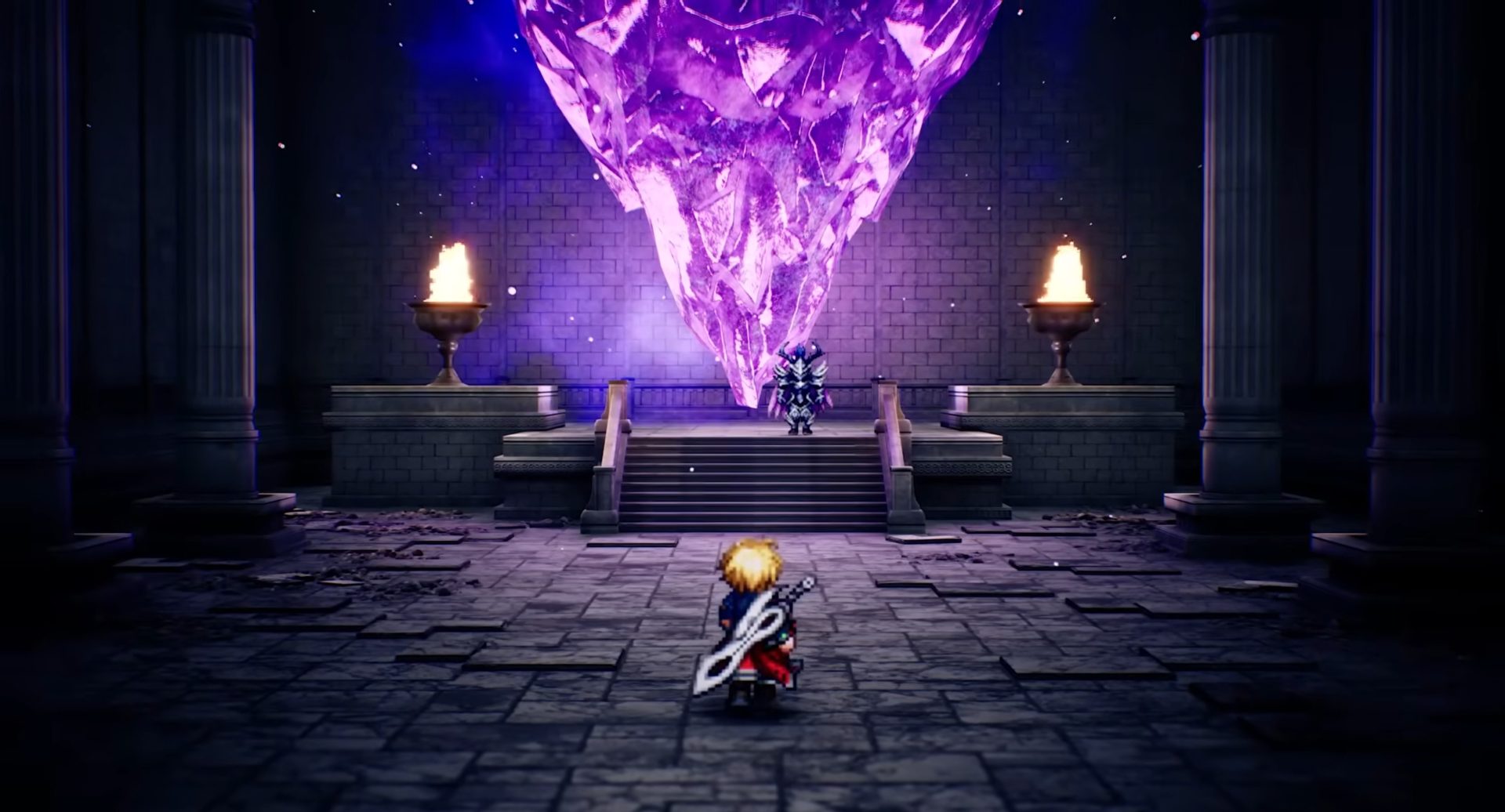
Dragon Quest VII Reimagined isn’t just a remaster—it’s a fundamental rethinking of difficulty in the series. While the three presets (Easy Going, Happy Medium, Tough Going) offer a starting point, the real depth lies in customizing individual parameters mid-playthrough. After testing configurations across 50+ hours, a Balanced Custom setup emerges as the ideal compromise: one that demands strategic thinking without devolving into repetitive grinding or resource starvation.
The key adjustments revolve around three pillars: combat parity, resource allocation, and exploration immersion. Unlike traditional RPGs where difficulty scales linearly, Dragon Quest VII Reimagined* decouples damage output, enemy strength, and progression rewards. This allows fine-tuning for a playstyle where every battle feels consequential—but never punishing.
Combat and Progression: The Tactical Sweet Spot
Most players will find the default Happy Medium preset too forgiving, especially if they’re accustomed to the series’ historical difficulty curve. The fix isn’t to crank up global hardness, but to target specific levers
- Damage Dealt: Normal – Reducing damage (e.g., to Less) doesn’t enhance strategy; it only extends battles by forcing reliance on healing items. Against early-game enemies like the Vicious Hammerhood or Vicious Bodkin Archer, Normal damage provides enough challenge without artificial prolongation.
- Monster Strength: Strong – This is non-negotiable for engaging with the Vocation System. With Normal or Weak settings, elite enemies and bosses become trivial, rendering vocations a cosmetic feature. Strong ensures encounters remain dynamic, rewarding skillful positioning and elemental counters.
- Experience & Proficiency: Normal – The game’s native pacing is already generous. Adjusting these to More risks out-leveling story content prematurely, while Less creates unnecessary grind. Normal keeps progression aligned with narrative beats.
One unexpected benefit of these settings is how they interact with the Restore HP after Battle toggle. Keeping it off (the default) maintains the series’ signature tension: every dungeon crawl becomes a calculated risk. With auto-restore enabled, battles lose their cumulative weight—no longer does a depleted MP pool force tough choices between healing now or saving spells for a boss fight.

Resources and Exploration: Freedom Without Handholding
Gold scarcity has long been a defining (and frustrating) trait of Dragon Quest. In Reimagined, setting Gold Acquired to More doesn’t break the economy—it simply removes the early-game shackles that force players into suboptimal gear choices. This tweak is particularly valuable in the Past Era, where limited funds can bottleneck experimentation with vocations and magic.
Equally critical is the Objective Marker Display. Turning it off transforms exploration from a linear checklist into an organic discovery process. The game’s world is rich with environmental storytelling—whether it’s comparing the Past vs. Present layouts of Emberdale or uncovering NPC-driven mysteries. A persistent marker strips away that curiosity, turning traversal into a chore. Disabling it rewards players who pause to interact with side quests or examine ruins, which often hold lore critical to the main plot.
Why This Works for First-Time and Veteran Players
The Balanced Custom setup thrives because it addresses two opposing needs
- For newcomers: It prevents frustration from unbalanced encounters while still teaching mechanics (e.g., MP management, vocation synergies) through meaningful consequences.
- For veterans: It restores the resource scarcity and exploration depth that older entries lacked, without resorting to masochistic difficulty spikes.
The result is a game where defeating a boss feels earned, but unlocking a new area isn’t gated by RNG or penny-pinching. Early tests confirm this configuration holds up through the Midgar arc, where enemy variety peaks, and into the final dungeons, where Strong monsters ensure vocations remain viable against elite foes.
For players who prefer a more relaxed experience, Happy Medium with More gold and auto-HP restore off is a viable alternative. But those seeking the full Dragon Quest* experience—where preparation matters, resources are respected, and the world unfolds through discovery—should embrace the custom path.
Note: These settings are based on the 1.0 Steam version and may evolve with future patches. However, the underlying principles (combat parity, resource respect, and exploration freedom) are likely to remain constants in the reimagined design.