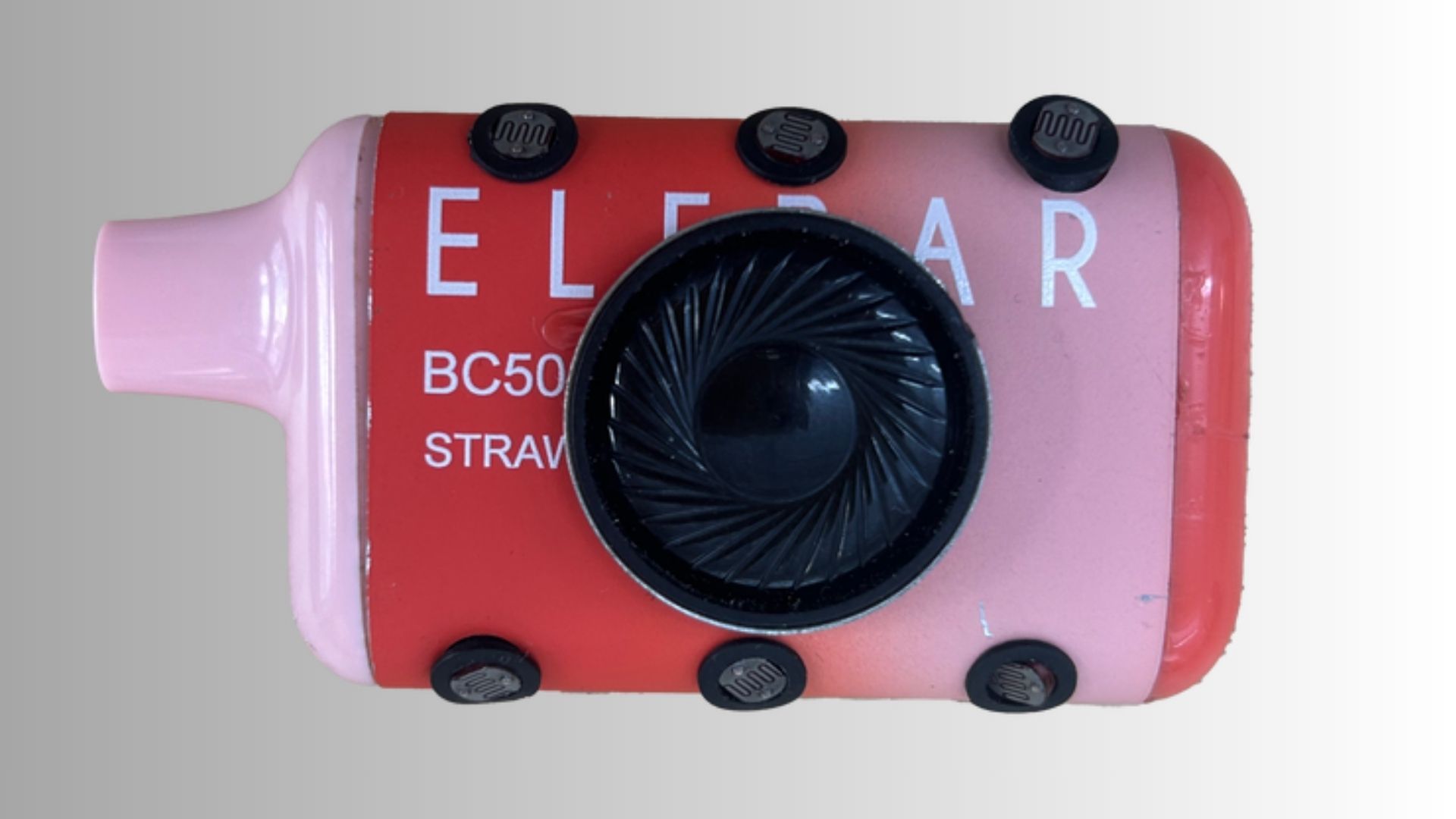
A disposable vape might seem like little more than a battery and a coil, but beneath its flimsy exterior lies a surprisingly capable electronic core. That’s the premise behind a new DIY project transforming these ubiquitous devices into functional synths, complete with ocarina-inspired controls and onboard speakers. The initiative, developed by a collective called Paperbagteam, aims to salvage reusable components from what would otherwise become e-waste, while also turning the process into a technical learning experience.
The first model retains the original vape’s low-pressure sensor, meaning users play it by inhaling—just as they would with the device’s original purpose. Inside, a speaker and custom circuitry replace the vaping coil, turning suction into musical notes. The build requires precision work: 3D printing, soldering, and careful disassembly of the vape’s internals. A second, wireless variant is in development, designed to interface with digital audio workstations as an unconventional MIDI controller.
Why repurpose a vape?
With over 11 million disposable vapes sold monthly, their environmental impact is significant. Many contain rechargeable lithium-ion batteries that end up in landfills, contributing to growing e-waste challenges. The project’s creators argue that even these seemingly trivial devices contain viable hardware—capacitors, microcontrollers, and sensors—that can be repurposed with minimal effort. The vape synth isn’t just a gimmick; it’s a commentary on consumer culture’s obsession with disposability.
This isn’t the first time vapes have been repurposed for unconventional tasks. Earlier this year, similar projects demonstrated their ability to run retro games like Doom, power off-grid workshops, or even host small websites. The vape synth, however, adds a layer of whimsy, blending humor with sustainability. As one of the project’s cocreators notes, the idea plays on the absurdity of treating advanced electronics as temporary—while offering a hands-on way to engage with hardware recycling.
How it’s built—and why it’s surprisingly complex
Despite its playful design, constructing the vape synth demands a mix of tools and technical know-how. The process includes
- A 3D printer or laser cutter to modify the vape’s casing for internal components.
- Basic soldering skills to integrate a custom PCB (printed circuit board) with capacitors and a speaker.
- Precision cutting and deburring tools to prepare the vape’s metal parts for reassembly.
- Wire, heat shrink tubing, and adhesive to secure connections inside the compact enclosure.
The result is a hybrid instrument that sounds like a cross between a toy and a lo-fi synthesizer—deliberately imperfect, in a way that mirrors the vape’s original design. The wireless model, once completed, will ditch the inhalation mechanic in favor of Bluetooth connectivity, allowing it to function as a novel MIDI controller for music production software.
For makers and sustainability advocates, the project serves as both a practical guide and a cultural critique. It asks: If a vape can become a synth, why can’t we design electronics with longevity in mind? The answer, for now, remains a work in progress—one note at a time.