DDR5 memory prices are not expected to return to pre-2023 levels before 2028, according to AMD. The company attributes this prolonged cost surge to the relentless growth in AI-driven data center demand, which is absorbing a significant portion of global supply and leaving little for consumer markets.
While DDR5 prices have seen some stabilization since their peak in 2023, AMD suggests that any meaningful relief will depend on new fabrication capacity coming online at scale. Currently, production bottlenecks are limiting supply, and even when new fabs become operational, they may not be enough to offset the sustained demand from AI workloads.
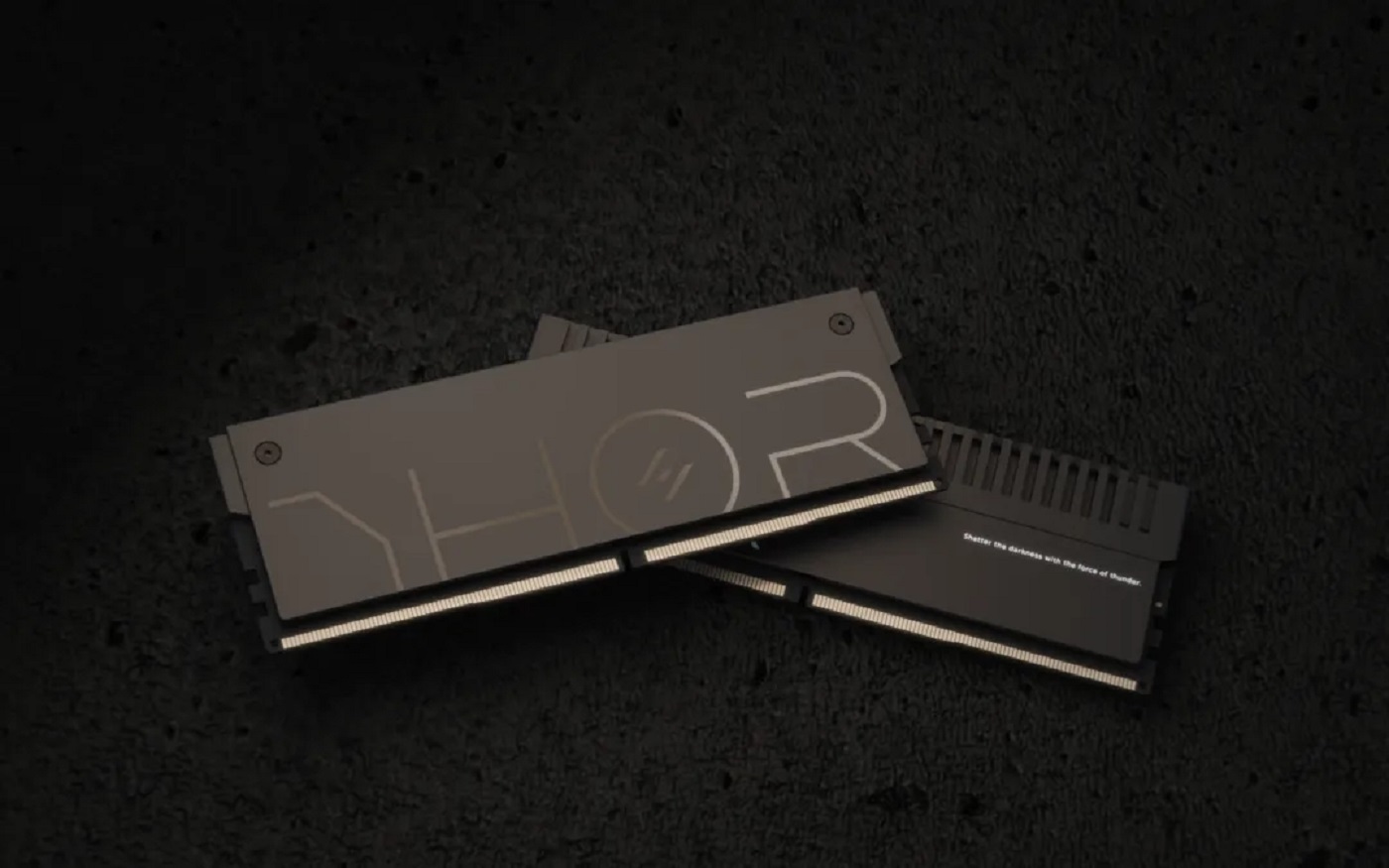
- AI data centers are consuming 60-70% of global DDR5 supply, leaving only a fraction for consumer systems.
- Existing DRAM fabrication plants are operating at near-full capacity, with few new facilities expected to come online in the near term.
- The higher power and bandwidth requirements of DDR5 increase per-bit production costs compared to its predecessor, DDR4, further complicating price reductions.
The current market dynamics stand in stark contrast to the 2018-2020 period, when DDR4 prices plummeted due to oversupply. This time, scarcity—not excess—is driving prices upward, and buyers should brace for elevated memory costs across both entry-level and high-end systems through at least 2027.
AMD’s long-term roadmap indicates that DDR5 will continue as the standard for PC memory, but the trajectory of its pricing remains uncertain. If AI demand shows no signs of slowing, consumers and enterprises alike may face prolonged periods of constrained supply and higher operational costs. Without a significant shift in data center requirements, the financial strain on buyers is likely to persist well into 2028.