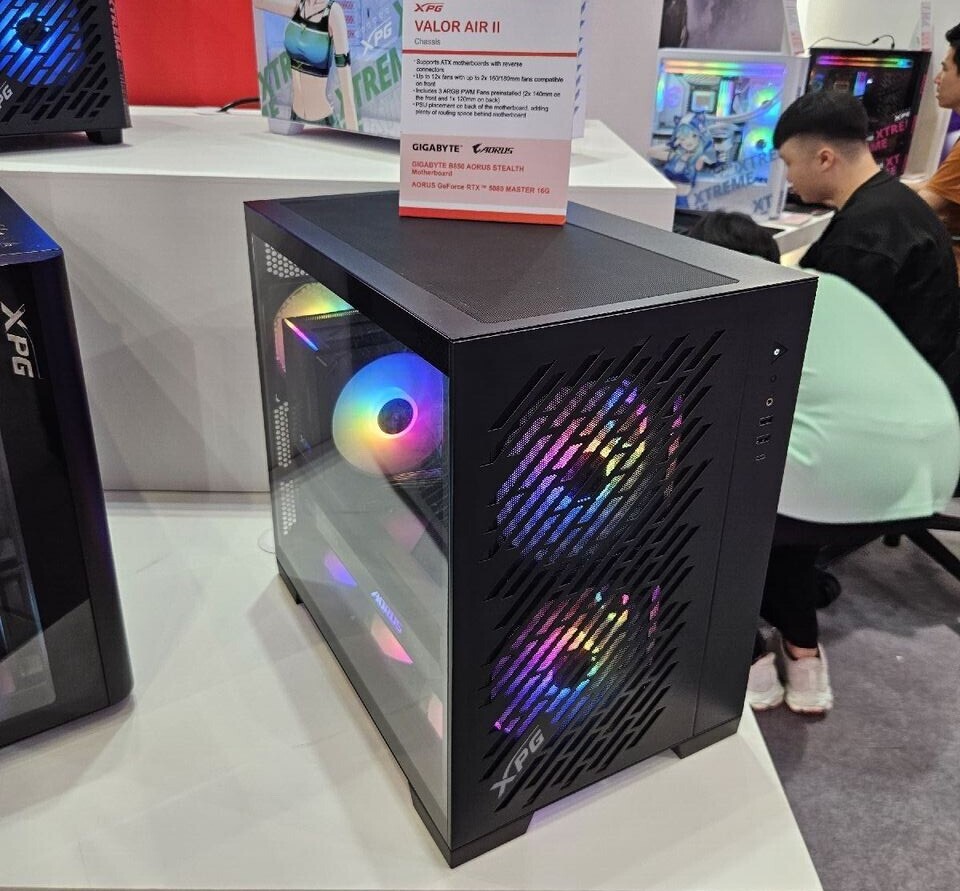
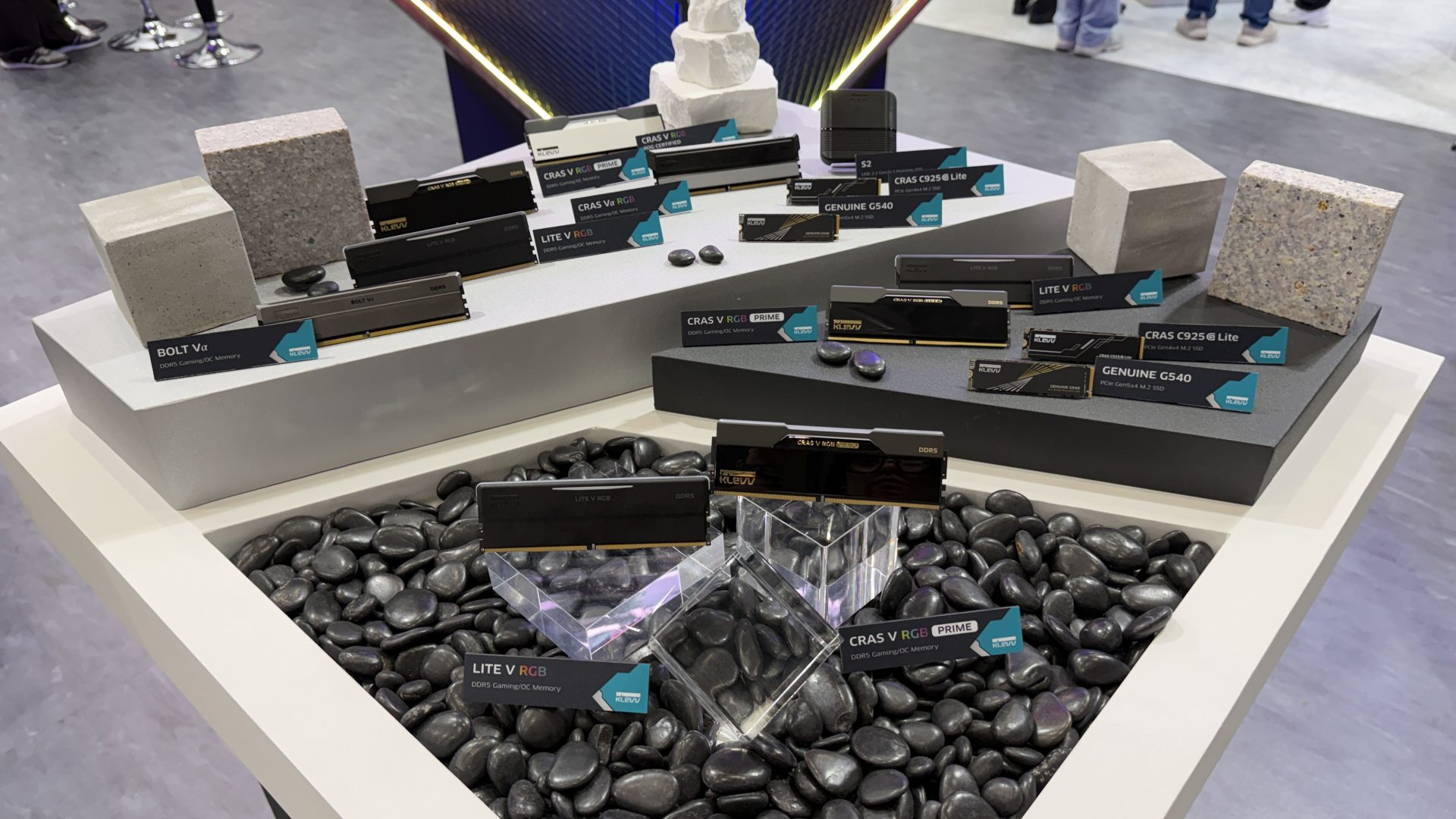
Costco has quietly pulled DDR5 RAM and graphics cards from its in-store desktop displays, a move that signals how seriously the retail industry is taking theft of high-value PC components. The retailer’s decision—confirmed through customer observations and employee accounts—follows a broader pattern where stores are locking away or removing easily stolen parts from public view.
DDR5 memory kits, now priced around $350 for a 2x16GB configuration, have become prime targets for shoplifters. With prices tripling or quadrupling since mid-2025 due to AI-driven demand, the incentive to swipe unsecured modules has grown. Graphics cards, though typically secured in cases, aren’t immune; at least one display PC at a Costco location was found missing its GPU entirely.
Why the sudden lockdown?
The problem isn’t limited to Costco. Many retailers—including electronics chains and big-box stores—have responded by placing RAM behind counters or in locked cabinets, a strategy that was once common for GPUs but has expanded to memory. The shift reflects both rising theft rates and the practical reality that even membership-based stores like Costco aren’t immune to opportunistic theft.
For shoppers, the changes mean fewer options to test hardware in person. Display PCs may still run, but without monitors or peripherals, their purpose is largely symbolic. The trade-off highlights a larger issue: as component prices inflate, so does the risk of theft, forcing retailers to prioritize security over accessibility.

Who benefits—and who gets hurt?
The lockdown on components has an unexpected upside for some buyers. Pre-built gaming desktops, now often cheaper than self-assembled systems, offer a workaround. A Skytech gaming desktop with an RTX 5070 Ti and 32GB of RAM, for example, sells for around $2,000—$500 less than the same specs in a custom build. While not a bargain by any stretch, the gap underscores how AI-driven price surges have flipped the economics of PC assembly.
For DIY builders and upgrade seekers, the news is less encouraging. Limited in-store access to parts means more reliance on online purchases, where prices remain volatile. Until supply stabilizes—or theft deterrents improve—the cycle of locked-down components and inflated costs will likely continue.
The bigger picture
The trend at Costco is a microcosm of a larger retail security crisis. As AI demand strains supply chains, high-value electronics become moving targets. Stores are adapting with counter measures, but the underlying issue—rising prices fueling theft—remains unresolved. For now, shoppers may find themselves navigating a landscape where the easiest way to get hardware is to buy it pre-assembled.