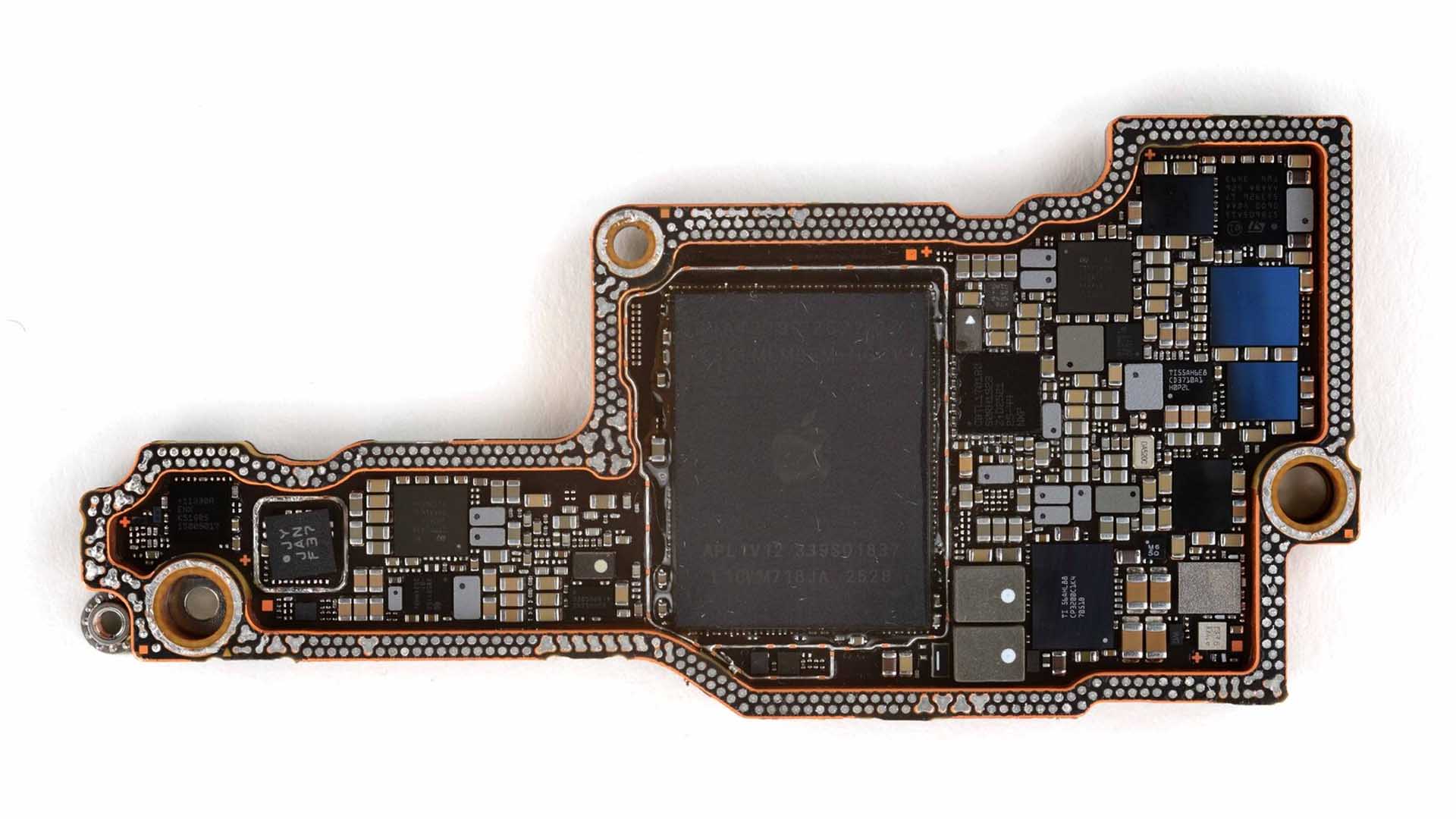
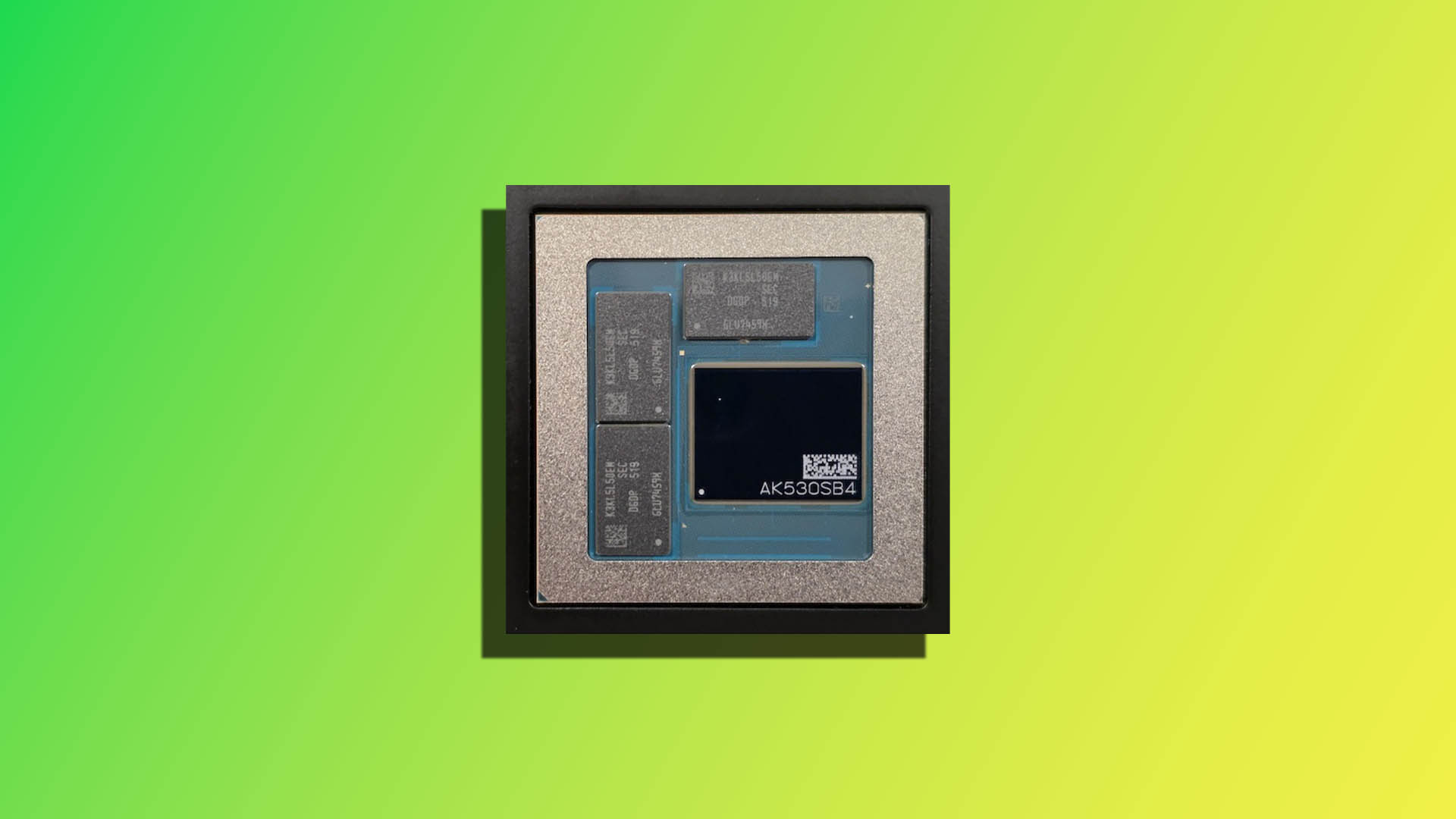
Apple’s strategy of securing large volumes of mobile DRAM has drawn significant attention across the tech industry. While the company has historically managed its supply chain with precision, this latest move—if confirmed—could have far-reaching consequences beyond just inventory management.
The semiconductor market operates on tight margins, and Apple’s dominance in smartphone sales means its actions can quickly influence pricing and availability for competitors. If DRAM becomes harder to source, the ripple effects could extend from mid-range devices to high-end gaming and AI-driven hardware, where memory performance is a critical factor. Industry observers note that such moves often prioritize short-term stability over long-term innovation, which could slow down advancements in mobile technology.
What’s Changing
The shift appears to be more than just a supply play—it may also be an attempt to control the narrative around DRAM availability. By locking in large quantities at premium prices, Apple could potentially limit options for rivals, creating a scenario where other manufacturers face higher costs or longer lead times. This could force a reevaluation of hardware roadmaps, particularly for devices that rely on cutting-edge memory solutions.

Industry Reactions
The response from the semiconductor ecosystem has been cautious but divided. Some view Apple’s approach as a strategic move to protect its market share in an increasingly competitive landscape, while others express concern about the potential for supply chain instability. If DRAM shortages become more pronounced, development cycles for new devices could lengthen, impacting everything from smartphone refreshes to next-generation gaming consoles and AI accelerators.
Looking Ahead
The biggest uncertainty remains whether this strategy will ultimately benefit Apple or create unintended consequences. While the company has a strong track record in supply chain management, aggressive bulk purchases can sometimes backfire—leading to strained relationships with suppliers or drawing regulatory scrutiny. For consumers and developers alike, the stakes are high: tighter supplies could mean longer wait times for hardware upgrades, pushing efficiency to its limits and forcing manufacturers to prioritize performance over cost.
As the industry watches closely, one thing is clear: Apple’s moves in DRAM are not just about securing chips—they’re about reshaping the rules of competition. Whether this will lead to innovation or stagnation remains to be seen.