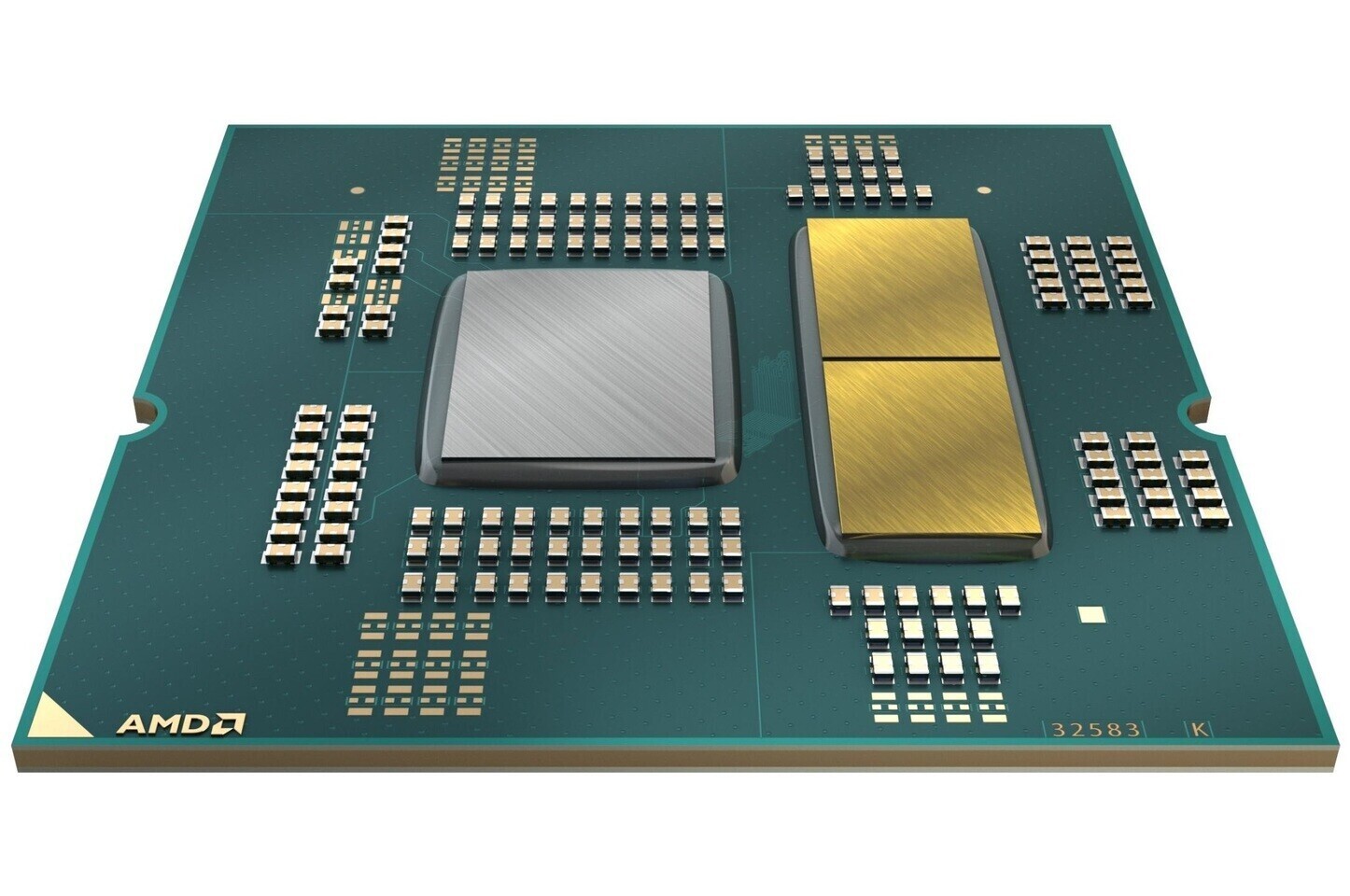
AMD’s upcoming Ryzen 10000 series, codenamed 'Olympic Ridge,' is set to redefine desktop computing with a staggering range of core configurations—spanning from 6-core entry models to a 24-core flagship. The series leverages TSMC’s advanced N2 2 nm process, enabling a denser transistor layout and up to 12 cores per CCD (core complex die), a significant jump from the previous generation’s 8-core limit.
The lineup is structured in two tiers: single-CCD SKUs with 6, 8, 10, and 12 cores, and dual-CCD variants starting at 12 cores, scaling up to 16, 20, and finally the 24-core behemoth. This modular approach allows AMD to optimize performance and power efficiency across a broad spectrum of use cases, from mainstream productivity to high-end workstation and gaming workloads.
Under the hood, each 'Zen 6' core benefits from 4 MB of L3 cache, totaling 48 MB per CCD. For the dual-CCD models, this sums to 96 MB of L3 cache—before factoring in potential 3D V-Cache enhancements, which could further boost gaming performance by expanding cache capacity. The flagship 24-core model, for instance, could see up to 288 MB of L3 cache with 3D V-Cache, a feature AMD has refined over generations to deliver sustained high frame rates in demanding titles.
AMD is also introducing 16-bit AVX-512 instructions to its consumer desktop lineup, a move previously reserved for high-end Xeon processors. This includes advanced extensions like AVX512_BMM, AVX_NE_CONVERT, and AVX_VNNI_INT8, which will accelerate AI and machine learning workloads, data processing, and other compute-intensive tasks. The inclusion of these features bridges the gap between consumer and professional x86 platforms, offering developers and power users access to capabilities once exclusive to Intel’s server-grade chips.
All Ryzen 10000 processors will continue to rely on AMD’s AM5 socket, extending its lifecycle into another generation. This ensures compatibility with existing AM5 motherboards and DDR5 RAM, providing users with a clear upgrade path. The new 2 nm process not only enables higher core counts but also improves power efficiency, with transistor density exceeding 200 million per square millimeter. AMD will offer both high-performance and high-density variants, tailoring the configuration to specific performance and thermal requirements.
The Ryzen 10000 series represents a bold step forward in AMD’s roadmap, combining cutting-edge manufacturing with architectural innovations. Whether targeting enthusiasts, creators, or data center workloads, the lineup’s flexibility and performance potential position it as a formidable contender in the evolving x86 landscape.