AMD has made a high-stakes gamble in the AI infrastructure race, committing up to $30 billion in a multi-year partnership with Meta. The agreement, which includes customized AI chips, next-generation CPUs, and a performance-based warrant worth 10% of AMD’s company value, underscores the semiconductor giant’s determination to challenge NVIDIA’s dominance in AI workloads.
The deal spans multiple product families, including AMD’s upcoming EPYC Venice and Verano CPUs—based on Zen 6 and Zen 7 architectures—and the Instinct MI450 GPU, a next-gen AI accelerator. Meta will receive tailored versions of these chips, optimized for low-latency and energy-efficient AI training and inference workloads.
A $30 Billion Commitment with Strings Attached
While the financial terms of the partnership remain partially confidential, AMD’s equity stake is structured as a performance-based warrant, similar to the one it secured with OpenAI last year. This means Meta’s adoption of AMD’s hardware—measured in gigawatt-scale deployments—will unlock additional shares, potentially worth billions more if benchmarks are met. The arrangement reflects AMD’s strategy of tying customer commitments to long-term revenue guarantees, a tactic that has already paid off in securing major hyperscaler contracts.
For Meta, this deal is a critical diversification move. After awarding NVIDIA a lucrative contract for its Vera Rubin AI racks, Meta is now hedging its bets by investing in AMD’s roadmap. The partnership ensures access to AMD’s latest CPUs and GPUs, which are designed to compete directly with NVIDIA’s H100 and future Blackwell architectures.
What’s Inside the Deal: Custom Chips and Future-Proofing
The agreement includes several key components
- Customized Instinct MI450 GPUs: AMD will provide Meta with modified versions of its upcoming AI accelerator, likely optimized for reduced latency—a critical factor in real-time AI applications like recommendation systems or generative models.
- Next-gen EPYC CPUs: Meta will deploy EPYC Venice (Zen 6) and Verano (Zen 7) processors, ensuring compatibility with both current and future data center workloads.
- Rack-scale AI systems: AMD will supply integrated solutions, including liquid cooling and power-efficient designs, tailored for Meta’s massive AI clusters.
- Performance-based warrants: Up to 160 million shares, vesting incrementally as Meta reaches predefined deployment milestones.
This is not just a hardware sale—it’s a multi-generational bet. By aligning its roadmap with Meta’s needs, AMD is positioning itself as a long-term partner rather than a one-time vendor. The move also addresses industry concerns about AMD’s ability to deliver on its AI promises, particularly after recent speculation about delays in the MI450 lineup. AMD has denied any production issues, but the Meta deal serves as a real-world validation of its progress.
Why This Matters in the AI Arms Race
The tech industry’s shift toward AI has turned chipmakers into infrastructure providers, where securing hyperscaler contracts is as important as product innovation. NVIDIA’s near-monopoly in AI GPUs has made partnerships like this a necessity for AMD’s survival. By locking in Meta—a company that processes petabytes of data daily—AMD gains a high-profile customer and a benchmark for its AI capabilities.
For consumers and enterprises, the implications are broader. A successful AMD-Meta collaboration could accelerate the development of open-standard AI hardware, reducing reliance on proprietary ecosystems. It may also drive down costs for AI infrastructure, as competition between AMD and NVIDIA intensifies.
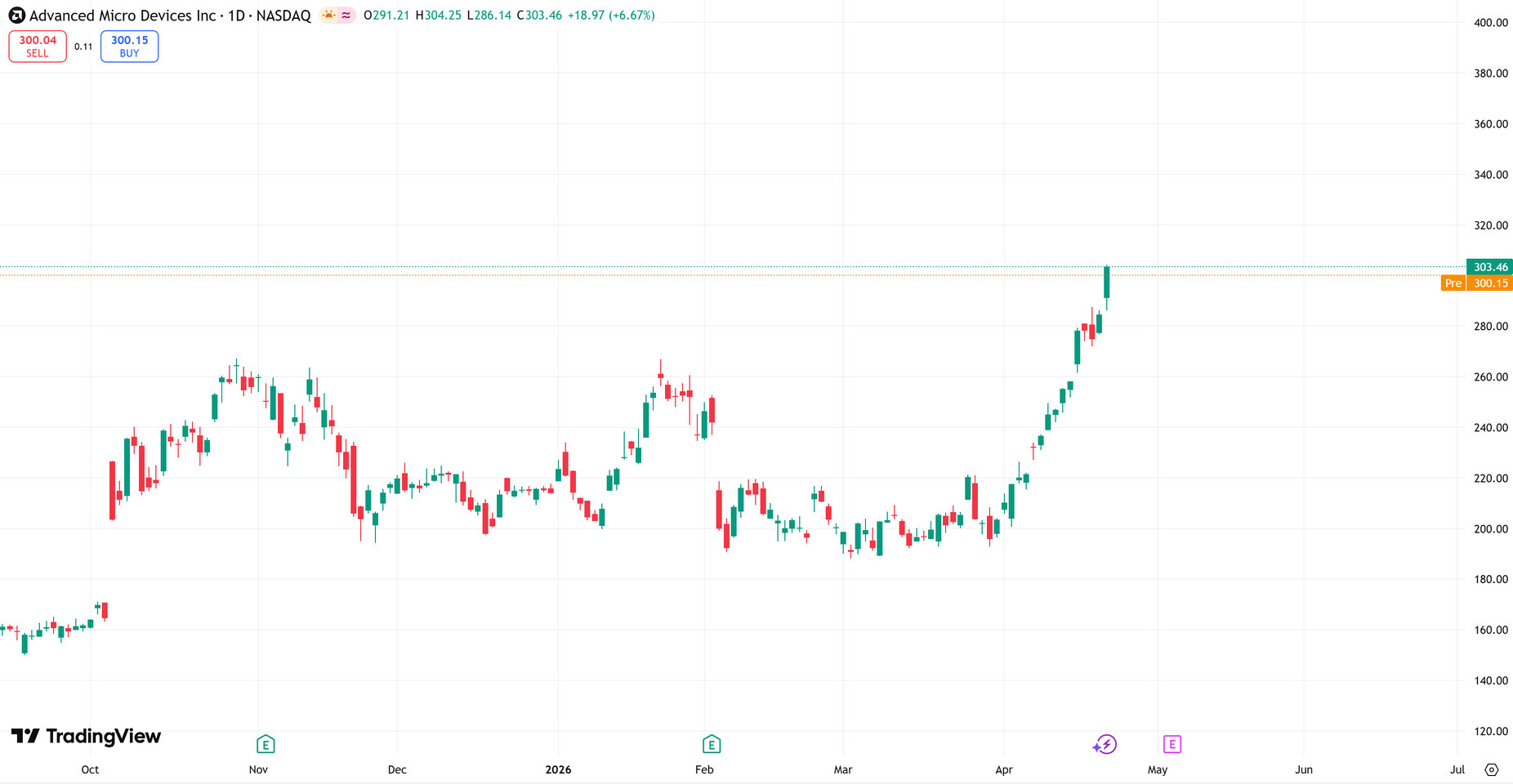
Yet, the risks are substantial. If AMD fails to meet performance or delivery targets, Meta could walk away, leaving AMD with a financial liability. The warrant structure mitigates some of that risk, but it also means AMD’s stock price is now tied to Meta’s AI deployment success—a volatile proposition in an unpredictable market.
A Turning Point for AMD’s AI Ambitions
This deal is more than a business transaction; it’s a statement of intent. AMD is no longer content to play second fiddle in AI. By offering Meta a mix of cutting-edge hardware, financial incentives, and long-term support, the company is staking its reputation on proving it can compete with NVIDIA in the most demanding workloads.
The partnership also highlights AMD’s broader strategy of targeting hyperscalers with differentiated offerings. While NVIDIA dominates with its sheer scale, AMD is betting on specialization—customized chips, energy efficiency, and flexible architectures. Whether this approach pays off remains to be seen, but one thing is clear: the AI infrastructure war has entered a new phase, and AMD is swinging for the fences.
For now, the focus is on execution. AMD must deliver on its promises—whether in chip performance, software support, or timely production. If it succeeds, this deal could redefine the AI hardware landscape. If not, it may become a cautionary tale about the perils of overcommitting in a high-stakes industry.