High-performance USB-C power delivery has entered a new cost era. A pair of 240W USB-C cables—capable of delivering 15V/16A currents—is now available for under $10, a price that challenges long-standing industry assumptions about the cost of high-wattage charging. This shift is not just about affordability; it represents a fundamental change in how devices can be powered without proprietary adapters or dongles.
The cables support USB Power Delivery 3.2, ensuring compatibility with a wide range of laptops, tablets, and even some smartphones. Their compact connectors are designed to handle up to 15V/16A, meaning a single cable can deliver 240W—sufficient for most modern devices. However, the real-world performance depends on device-side USB-C ports that can handle the full current, creating a potential compatibility risk for users who assume universal support.
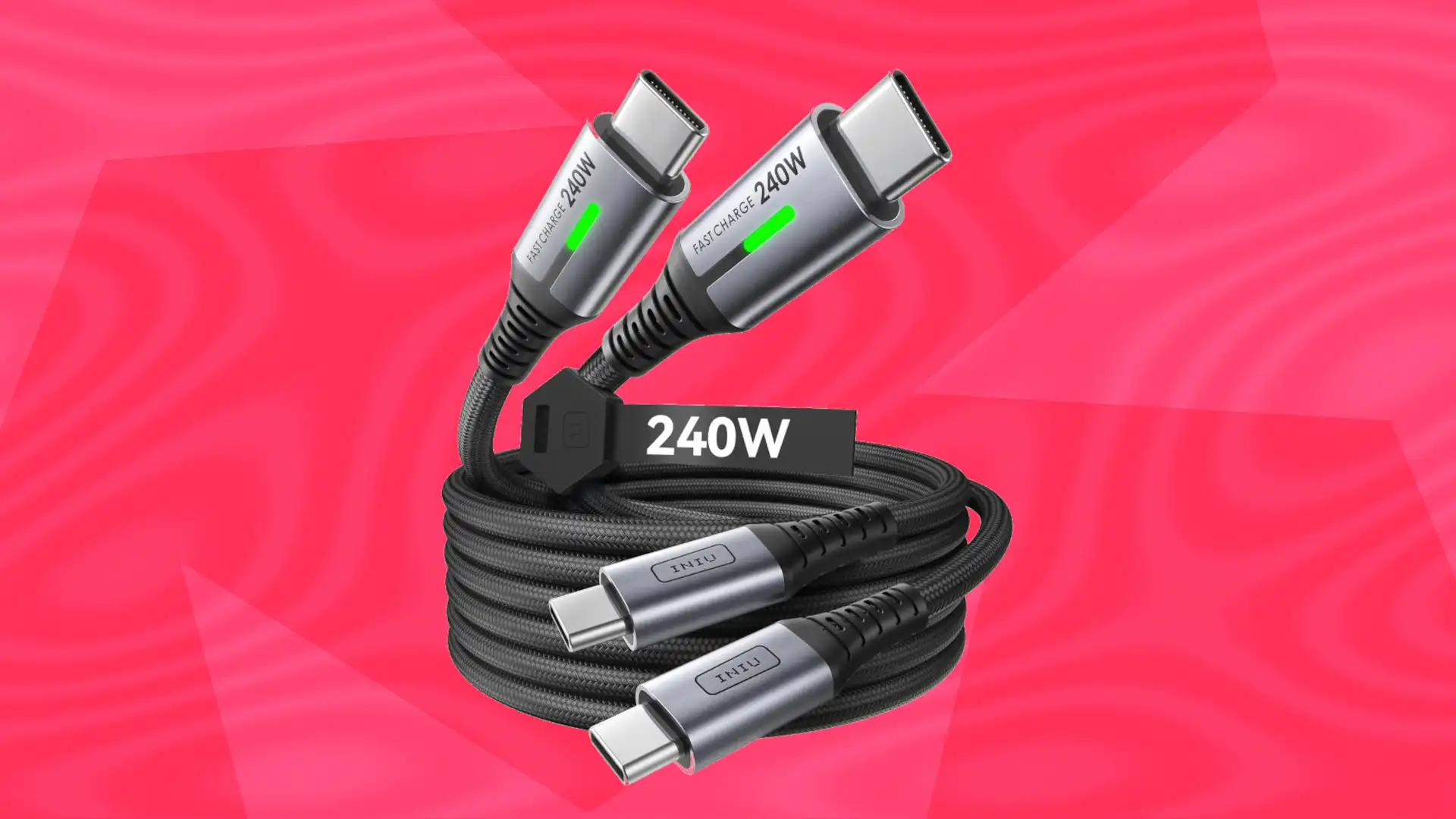
- USB Power Delivery 3.2 compliance ensures broad device compatibility
- 15V/16A capability delivers 240W—enough for most modern devices
- $9.99 price point undercuts traditional high-wattage cable costs by 80%
The implications for developers are significant. Hardware designs that once required custom charging solutions can now rely on standard USB-C infrastructure, reducing both cost and complexity. However, this shift also demands careful consideration of thermal management in devices that may not have been optimized for sustained 240W input.
Where this stands today is a market where price no longer dictates performance, but compatibility remains the wildcard. Developers must now balance the convenience of universal cables against the limitations of existing device ecosystems—a delicate equilibrium that could either streamline power delivery or expose new vulnerabilities in hardware design.