NVIDIA's Rubin AI Platform to Redefine Mobile Memory Consumption
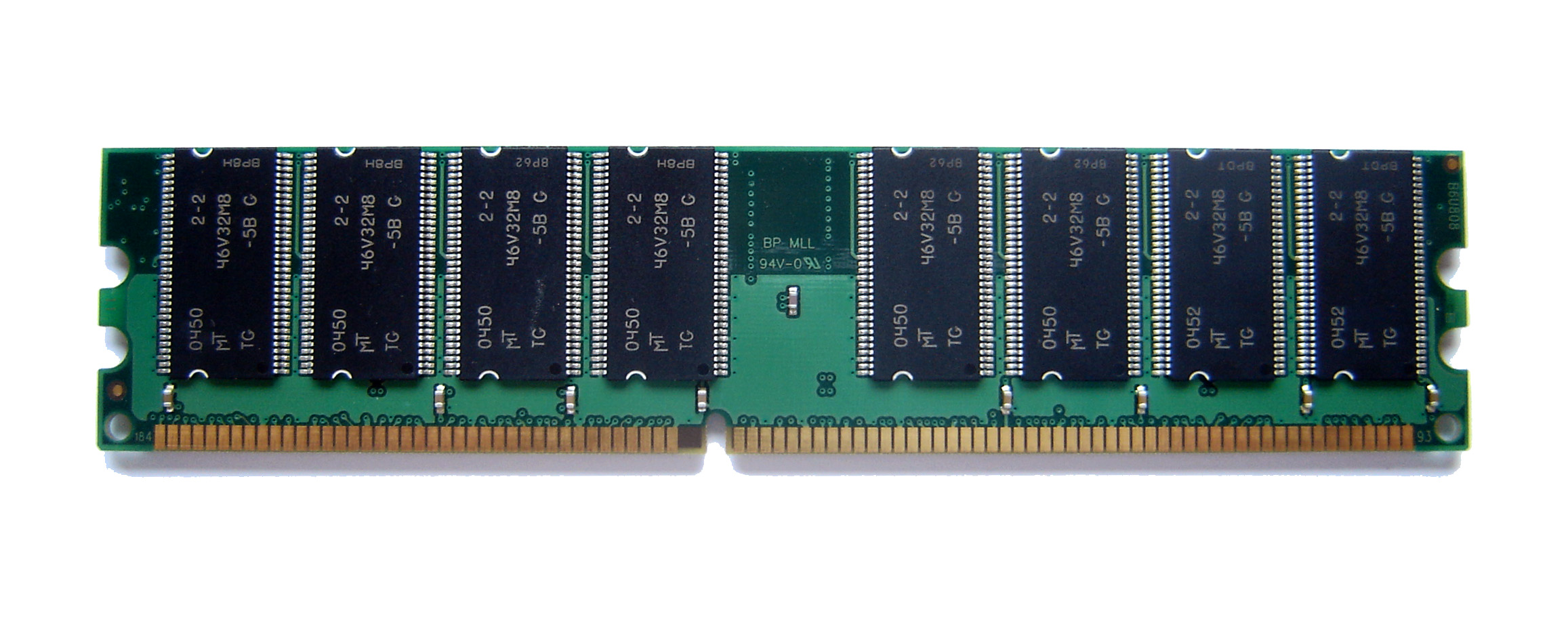
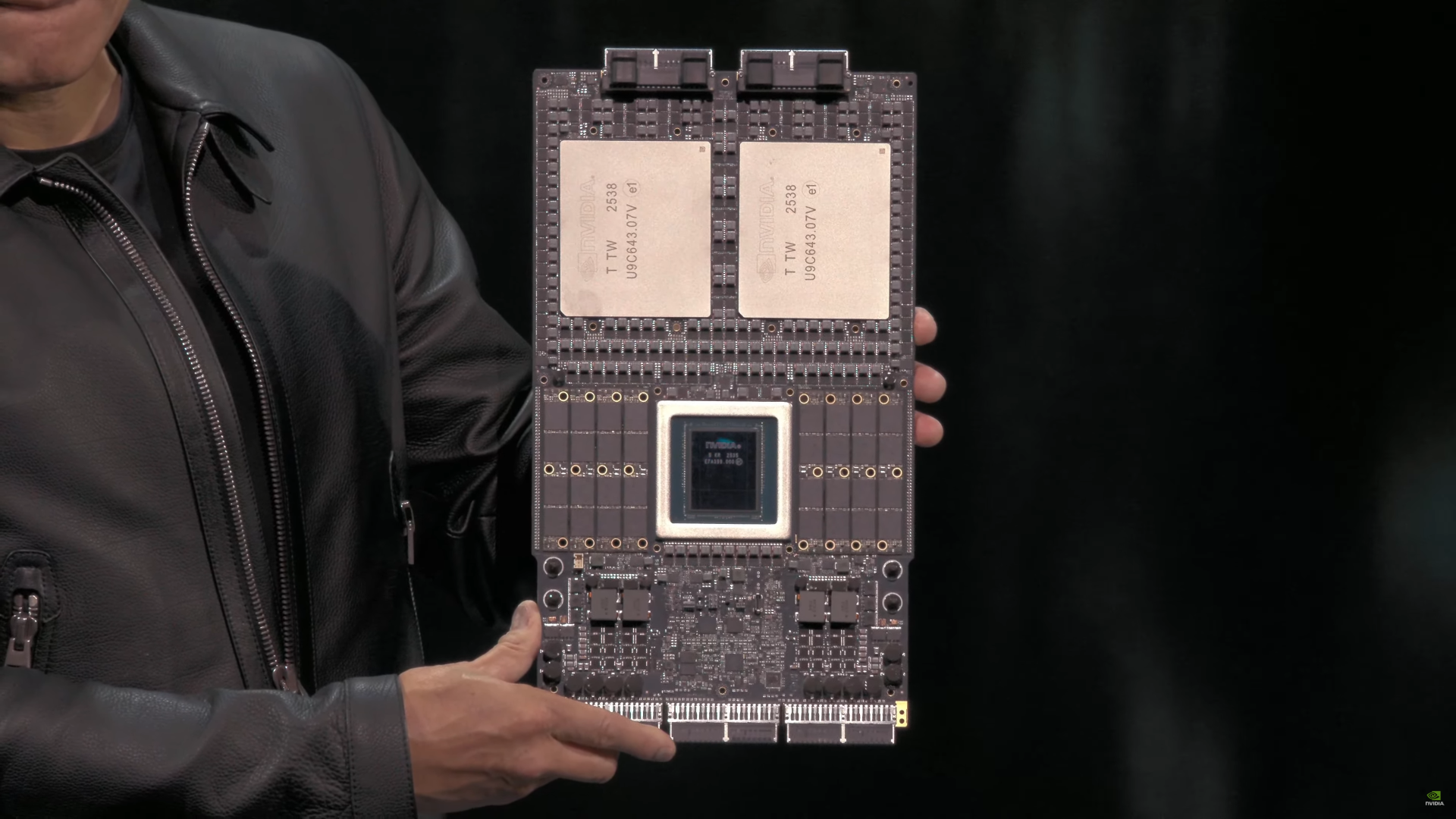
By 2027, NVIDIA's Rubin AI platform is projected to consume more LPDDR memory than Apple and Samsung combined, signaling a fundamental shift in mobile hardware design priorities.
Latest articles, news and analysis in the Mobile category.
By 2027, NVIDIA's Rubin AI platform is projected to consume more LPDDR memory than Apple and Samsung combined, signaling a fundamental shift in mobile hardware design priorities.
A one-time-purchase office suite challenges the subscription model with lifetime access, but buyers must accept the trade-off of no future updates or security patches. This permanent alternative offers cost stability at a price.
The upcoming Xiaomi XRING 03 chipset, slated for mid-2026, introduces a new benchmark for efficiency without compromising performance. Its design suggests a shift toward sustained productivity, particularly for small businesses that rely on smartphones for daily operations.
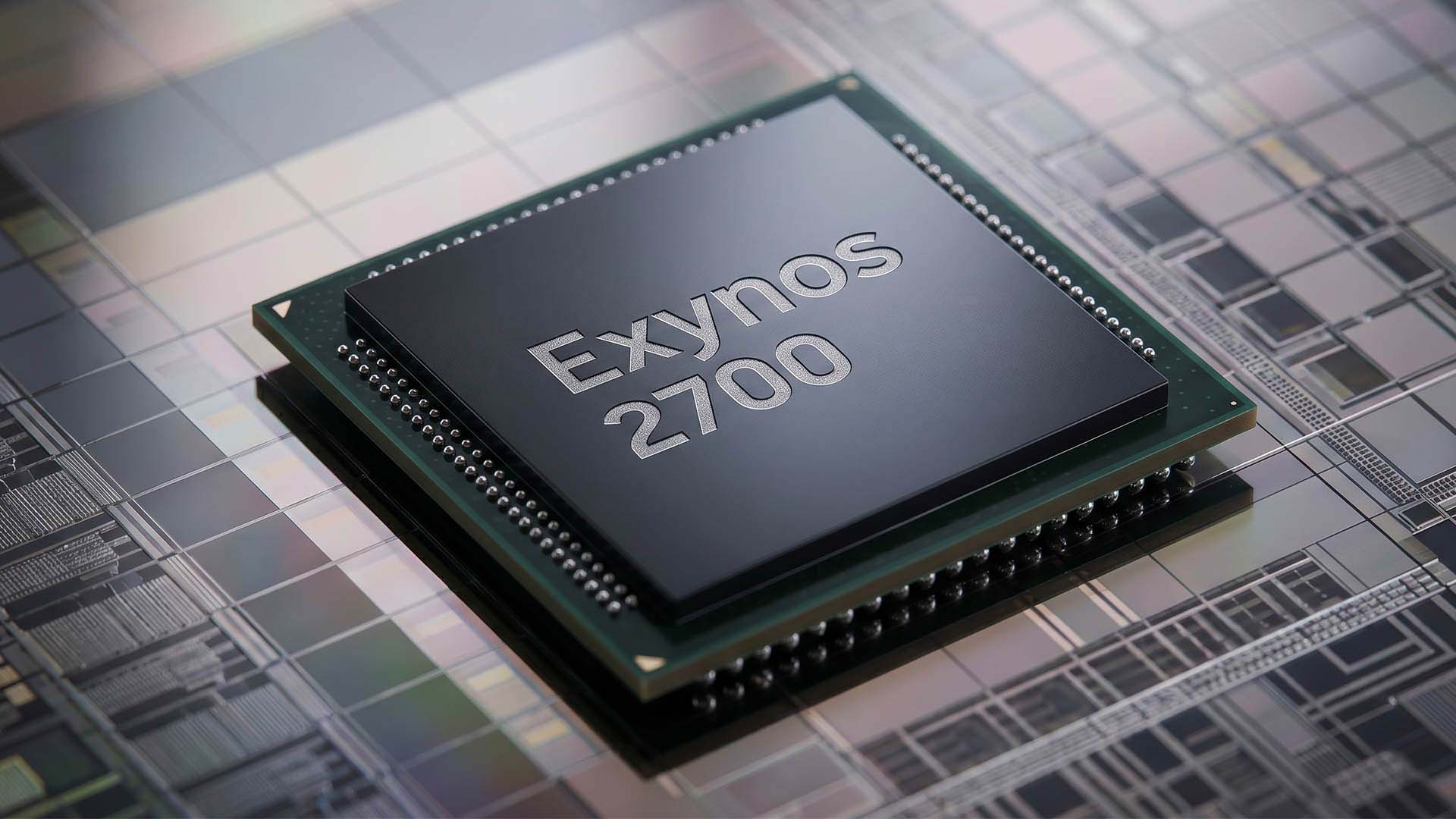
Samsungs upcoming application of advanced packaging and manufacturing techniques to the Exynos 2700 signals a shift in strategy for its next-generation system-on-chip designs. The move aims to mitigate concerns over potential abandonment while reinforcing its position in premium mobile platforms.
Rising mobile DRAM prices force smartphone makers to trim capacity and rethink software strategies, signaling a shift in how devices are designed and sold.
The latest 2nm Exynos 2700 chipset brings cutting-edge efficiency, but Samsung has made a strategic cut to manage production constraints. PC builders need to weigh the benefits against this new limitation.
Apple's latest iPhone models feature automatic satellite messaging across AT&T, T-Mobile, and Verizon networks, eliminating the need for manual SIM switching or separate apps—a first in smartphone redundancy.
The iPhone 16 series introduces a radical quad-curved display that challenges Apple’s design philosophy, blending technical innovation with practical considerations. This analysis explores the engineering behind the shift, its performance implications, and whether it delivers on its promises without...
Qualcomm and MediaTek are betting big on 2nm chips, but Apple’s next moves could redefine the mobile industry. The focus isn’t just on performance—it’s about who can deliver efficiency without crippling costs.
The ASUS ProArt Cinema PQ09U, a 16.4-inch MicroLED display with HDR support, is now available at TSUTAYA BOOKSTORE in Japan. This collaboration aims to offer creators a high-performance, portable solution for content creation, blending cutting-edge technology with the bookstore's focus on creativity...
The Lexar Play PRO microSD Express card redefines high-speed storage with up to 900MB/s read speeds and 512GB capacity, now available at a reduced price point. This move signals a strategic shift in the market for professional-grade mobile storage, offering IT teams a balance between performance and...
A subtle but significant change in iOS 27 may open up new creative possibilities for iPhone photographers, blurring the line between professional-grade tools and everyday shooting. The update introduces a feature that has long been a staple in dedicated camera systems but is now arriving on mobile d...
The Snapdragon 8 Elite Gen 6 Pro, arriving late this year, is expected to deliver significant battery efficiency and AI performance improvements, but its reliance on 2nm manufacturing could lead to higher costs, potentially limiting its adoption beyond premium devices.
A global shortage of memory chips is rippling through the smartphone market, cutting OLED panel shipments by double digits and forcing manufacturers to rethink production timelines. The impact extends beyond screens, with knock-on effects on camera performance and battery life.
Qualcomm and MediaTek are betting heavily on 2nm process nodes, but their new chips may struggle to compete with Apple's proven designs. Industry insiders suggest the risk of delayed adoption looms large.
A shift in Samsung’s display procurement for the Galaxy S27 series signals a new approach to balancing performance and cost, with implications for future flagship phones.
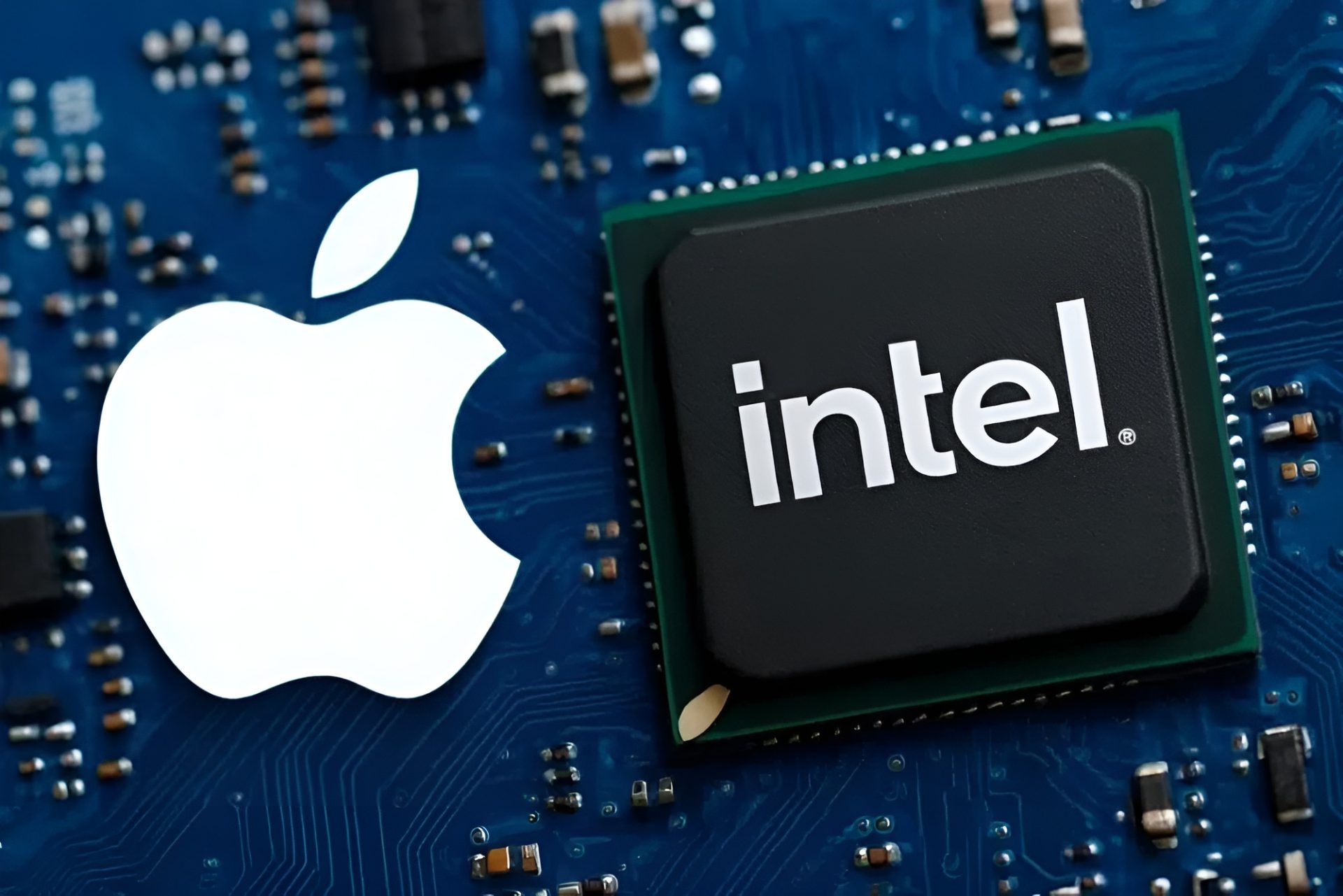
A 25% discount on wafer production for Apple gives Intel a strategic advantage over TSMC, with potential to reshape the semiconductor market and U.S. economic benefits.
A new CEO at Apple signals a potential strategic pivot, while rumors swirl around camera-equipped AirPods Pro that could redefine wearables. Supply chain hurdles and competitive pressure will determine if these innovations succeed.